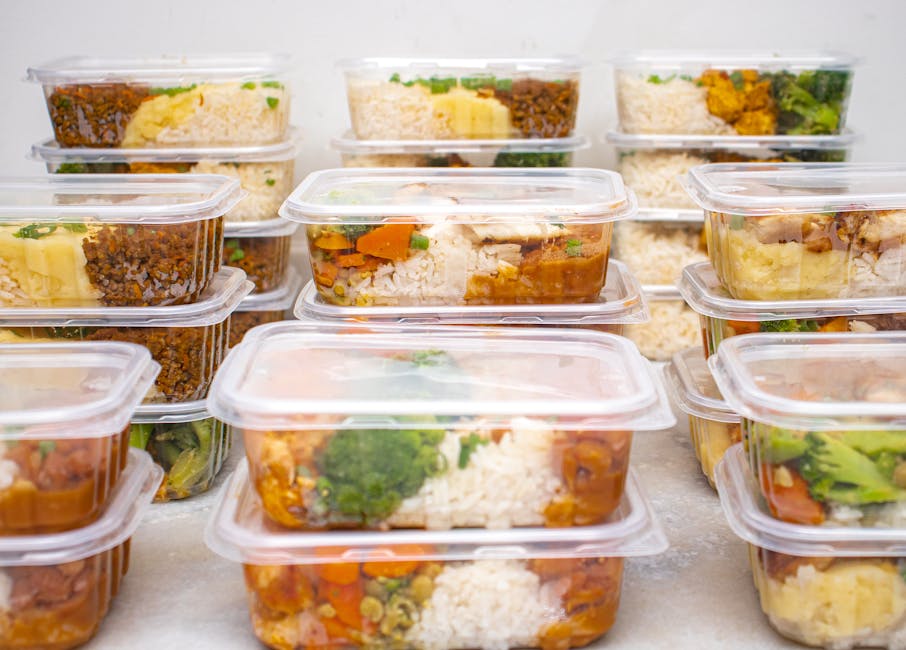

Healthy eating doesn’t have to be complicated
Between work, family, training, and everything else, “eating well” can start to feel like another full-time job. The reality is that most people don’t need a perfect diet—they need a consistent system that makes nutritious choices easier than less nutritious ones. The goal is to reduce decision fatigue, avoid last-minute takeout, and build routines that support energy, performance, and long-term health.
Below are 10 practical strategies you can use to simplify healthy eating without turning your kitchen into a second office.
1. Pick a “default breakfast” you can repeat
Breakfast is a great place to remove daily decision-making. Choose one or two simple options you enjoy and can make quickly. The best “default” breakfasts include protein, fiber, and a healthy fat to help you stay full and steady through the morning.
- Greek yogurt + berries + nuts
- Eggs + toast + fruit
- Overnight oats with chia and milk
Consistency here saves time and helps you start the day on a strong nutritional foundation.
2. Use the “protein + plants” plate rule
When you’re busy, complex meal plans can backfire. A simple framework works better: build most meals around one solid protein and at least one to two servings of plants (vegetables, salad, fruit, legumes). Add a carbohydrate (rice, potatoes, pasta, bread) based on your activity level and goals.
This approach naturally improves nutrient density without requiring calorie counting or rigid rules.
3. Keep a short list of reliable, repeatable meals
Many people think variety is the key to eating well. In practice, variety is helpful—but too much novelty often increases stress and reduces follow-through. Create a list of 8–12 meals you can rotate confidently.
- Chicken stir-fry with frozen vegetables
- Salmon with potatoes and salad
- Turkey or bean chili
- Omelet with vegetables and cheese
- Wraps with tuna, salad greens, and avocado
With a repeatable menu, shopping is faster and meal prep becomes predictable.
4. Stock a “healthy convenience” shelf and freezer
Healthy eating gets easier when nutritious options are always within reach. Convenience isn’t the enemy—poor convenience choices are. Build a pantry and freezer that supports you when time is tight.
- Pantry: tinned fish, beans/lentils, passata, olive oil, rice, oats, nuts, whole-grain wraps
- Freezer: frozen berries, mixed vegetables, edamame, lean mince, pre-portioned meats
- Fridge: eggs, yogurt, bagged salad, hummus, cheese, pre-cut veggies if needed
The goal is to make the “good option” the easy option.
5. Plan dinners first (then let leftovers handle lunches)
For most busy schedules, dinner is the meal that benefits most from a little planning. Choose 3–5 dinners for the week and cook enough for leftovers. This is one of the simplest ways to improve lunch quality without meal-prepping every container in advance.
If you’re short on time, pick two “double-batch” meals (like chili or a tray bake) and one fast meal (like eggs or a quick stir-fry).
6. Build a “two-minute snack” strategy to avoid energy crashes
Many “off plan” food choices happen when hunger builds too long and you need something immediately. A simple snack strategy helps you avoid that cliff.
- Protein shake + banana
- Greek yogurt + honey
- Apple + peanut butter
- Cheese + whole-grain crackers
- Trail mix (portion controlled)
Aim for a combination of protein and fiber whenever possible—this supports steadier energy and better appetite control.
7. Use meal delivery or prepared meals strategically (not as a crutch)
There are seasons where cooking every day isn’t realistic—heavy workloads, travel, family commitments, or high training volume. In those periods, using prepared meals can be a smart tactic to maintain nutrition consistency.
If you’re based in New Zealand and want a convenient way to reduce cooking time while keeping meals structured, you might explore prepared meal options as part of your weekly routine. Used strategically, this can help you protect your nutrition on the busiest days—especially when the alternative is skipping meals or relying on last-minute takeout.
The key is to treat prepared meals as a support tool: pair them with simple add-ons like salad, fruit, or extra vegetables to boost micronutrients and volume.
8. Master one “mix-and-match” meal template
Templates make healthy eating flexible. Instead of following strict recipes, use a structure you can adapt based on what you have.
Example template: Bowl meal
- Base: rice, quinoa, potatoes, or greens
- Protein: chicken, tofu, eggs, tuna, beans
- Plants: mixed salad, roasted veg, slaw, frozen veg
- Flavor: salsa, pesto, yogurt sauce, soy/ginger, lemon/olive oil
With one strong template, you can create dozens of balanced meals without overthinking.
9. Design your environment to reduce friction
Willpower is unreliable when you’re busy or tired. Your environment does the heavy lifting. A few small changes can make healthy eating almost automatic:
- Keep a fruit bowl visible and stocked
- Pre-wash salad greens or buy ready-to-eat options
- Store less nutritious snacks out of sight (or don’t buy them routinely)
- Use smaller bowls for energy-dense foods like nuts and granola
These adjustments aren’t about restriction—they’re about making your preferred choices easier to follow.
10. Track one habit at a time (and measure what matters)
Trying to overhaul everything at once is a common reason people burn out. Instead, choose one habit to focus on for 2–4 weeks. Examples:
- Eat 25–35g of protein at breakfast
- Include vegetables at two meals per day
- Drink a full glass of water before coffee
- Cook at home 4 nights per week
When that habit becomes routine, stack the next one. Sustainable nutrition is built through repeatable systems—not short bursts of perfection.
FAQ: Simplifying healthy eating
How do I eat healthy without cooking every day?
Use a mix of leftovers, quick templates (like bowls or wraps), and strategic convenience options (like frozen vegetables, tinned protein, or prepared meals) to reduce cooking frequency while keeping meals balanced.
What’s the easiest way to increase protein intake?
Anchor each meal around a clear protein source (eggs, yogurt, chicken, fish, tofu, beans) and keep high-protein snacks available (protein shakes, yogurt, tuna, cottage cheese).
How can I avoid overeating at night?
Most night overeating is linked to under-eating earlier, stress, or poor sleep. Start by improving breakfast/lunch protein and fiber, planning an afternoon snack, and setting a consistent dinner routine.
Are prepared meals actually healthy?
They can be, depending on portions, protein content, fiber/vegetable volume, and overall calorie density. Look for meals with a clear protein serving and add extra vegetables or salad if needed.
Conclusion: Make healthy eating the path of least resistance
When life is busy, healthy eating works best as a system: default meals, simple templates, smart shopping, and strategic convenience. Start with one or two changes you can maintain, and build from there. The goal isn’t to be perfect—it’s to make nutritious choices easier, more consistent, and aligned with your lifestyle.