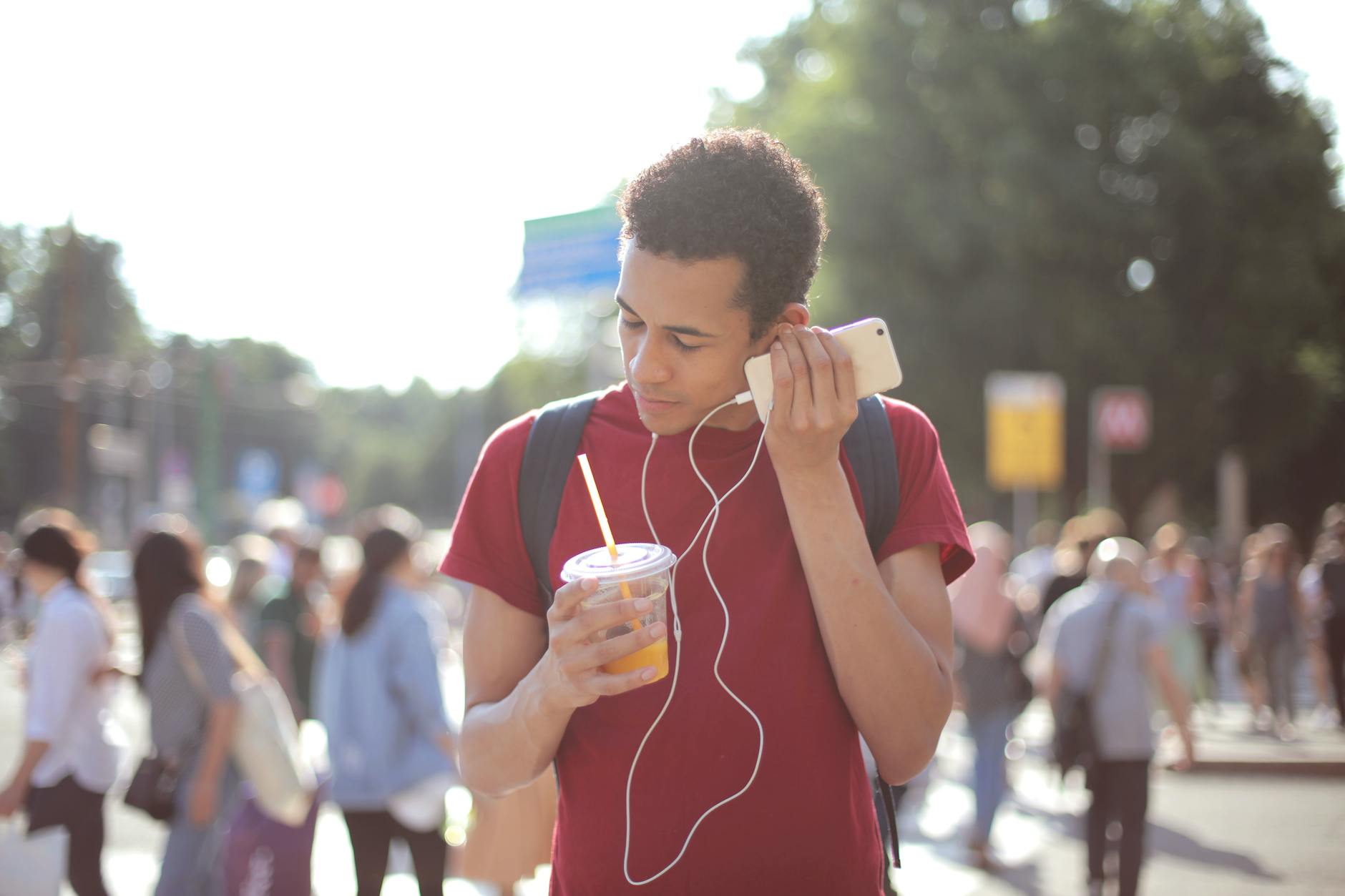

The music industry is in a constant state of evolution, reflecting the dynamic nature of cultural and lifestyle changes. As 2023 unfolds, new trends are emerging that intertwine music with lifestyle choices, technology, and social movements. This article delves into the latest music lifestyle trends, examining their impact on artists, fans, and the broader cultural landscape.
The Rise of Genre Blending
One of the most notable trends in recent years is the increasing popularity of genre blending. Artists are no longer confined to traditional genres; instead, they are experimenting with sounds from diverse musical backgrounds. This trend fosters a sense of creativity and innovation in music production.
- Cross-genre collaborations are becoming commonplace.
- Listeners are increasingly open to diverse sounds.
- Streaming platforms encourage genre exploration.
For instance, artists like Lil Nas X have successfully merged country with hip-hop, while Billie Eilish incorporates elements of pop, electronic, and indie music. This trend not only broadens artistic expression but also allows for a wider audience reach.
The Impact of Social Media on Music Consumption
Social media platforms are reshaping how music is discovered and consumed. With millions of users sharing their favorite tracks, TikTok, Instagram, and YouTube have become powerful tools for artists to promote their music.
Key points to consider include:
- Viral challenges on TikTok can catapult songs to fame.
- Artists engage directly with fans through live streams.
- Playlists curated on platforms like Spotify influence listening habits.
As a result, songs that gain traction on social media often experience a surge in popularity, leading to increased sales and streaming numbers. This shift emphasizes the need for artists to maintain a strong online presence and adapt to changing consumer behaviors.
Health and Wellness in the Music Industry
As awareness of mental health issues grows, the music industry is taking steps to prioritize the well-being of artists and fans alike. The pressure to succeed can lead to burnout, anxiety, and other mental health challenges.
Initiatives aimed at fostering a healthier music lifestyle include:
- Wellness programs for artists on tour.
- Advocacy for mental health resources in the industry.
- Support networks for artists facing mental health challenges.
Musicians are increasingly speaking out about their struggles, helping to destigmatize these issues. By promoting mental health awareness, the industry is creating a more supportive environment that encourages open dialogue and healing.
Sustainability and Eco-Consciousness
With climate change becoming a pressing global issue, the music industry is beginning to embrace sustainability initiatives. From eco-friendly concerts to sustainable merchandise, artists and promoters are taking steps to reduce their environmental impact.
Some notable trends include:
- Events prioritizing sustainable practices, such as waste reduction and carbon offsetting.
- Artists using eco-friendly materials for merchandise.
- Increased awareness among fans about supporting sustainable initiatives.
This focus on sustainability not only appeals to environmentally-conscious consumers but also sets a positive example for the industry as a whole.
Technological Innovations Shaping the Music Experience
Technology continues to revolutionize the music landscape, enhancing how artists create and consumers experience music. Innovations such as virtual reality (VR), augmented reality (AR), and artificial intelligence (AI) are making waves in the industry.
Key technological trends include:
- Virtual concerts and immersive experiences that allow fans to attend shows from anywhere.
- AI-generated music becoming a new genre of its own.
- Enhanced data analytics helping artists understand their audience better.
These advancements not only enrich the music experience but also create new opportunities for artists to connect with their audiences in meaningful ways.
Consumer Behavior and Music Purchases
The way consumers purchase and consume music has changed dramatically in recent years. With the rise of streaming services, physical sales of music have declined, leading to a new era of consumption.
Important shifts in consumer behavior include:
- The preference for subscription-based streaming over purchasing individual tracks.
- Increased spending on concert tickets and merchandise.
- Fans seeking exclusive content and experiences through membership programs.
These trends indicate a shift in how value is perceived in the music industry, with fans willing to invest more in experiences rather than ownership of music.
Exploring the Future of Music Lifestyle Trends
As we look to the future, the music industry will continue to evolve in response to cultural shifts, technological advancements, and consumer preferences. The trends discussed in this article are likely to shape the soundscape of tomorrow.
Potential future trends may include:
- Further integrations of AI in music creation and production.
- Continued emphasis on mental health and wellness within the industry.
- A growing focus on inclusivity and representation across all music genres.
Artists and industry professionals must remain adaptable to stay relevant in this fast-paced environment. By embracing change, they can continue to resonate with audiences while pushing the boundaries of creativity.
Looking Ahead
The music lifestyle trends emerging in 2023 reflect a society that values diversity, sustainability, and wellness. As artists and fans navigate this ever-changing landscape, the fusion of music with lifestyle will only grow stronger.
By staying attuned to these shifts, industry stakeholders can harness the power of music to foster community, inspire change, and create memorable experiences for all. The future of music promises to be as vibrant and varied as the sounds it encompasses.