
9 Low-Key Music Lifestyle Upgrades That Make You Listen Better (and Live Calmer)
Music isn’t just entertainment—it’s an environment. The way you store gear, arrange your room, manage volume, and even schedule listening time quietly shapes what you hear and how you feel. If you’ve ever thought “my playlists are great, but something still feels off,” the fix may be lifestyle-level, not song-level.
Below are nine specific, not-too-obvious upgrades that combine music habits with lifestyle design. Each one is practical, budget-flexible, and designed to help you hear more detail while also reducing daily friction.
1) Build a “Two-Volume” Rule: One for Flow, One for Focus
Most people default to one listening level, then wonder why music sometimes feels tiring or distracting. Set two intentional volume “lanes” you can return to daily:
- Flow volume: low-to-moderate (conversation-friendly). Ideal for reading, work sprints, cooking, or winding down.
- Focus volume: moderate (immersive but not loud). Ideal for deep listening sessions where you want detail and emotional impact.
Actionable tip: Use a phone decibel meter app for a week and note your typical ranges. Many people discover their “normal” is louder than they think, which can lead to fatigue. Pick two repeatable levels (for example, “background at ~55–65 dB” and “immersive at ~70–80 dB” depending on your environment). Consistency trains your brain to associate each level with a mood state.
Real-world example: If you work from home, keep flow volume during emails and admin, and save focus volume for a 20-minute “album side” after lunch—your ears (and attention span) will last longer.
2) Create a One-Minute “Start Listening” Ritual (So You Actually Do It)
The biggest barrier to intentional listening isn’t time—it’s activation energy. A micro-ritual helps you transition from scrolling to listening.
- Put your phone on Do Not Disturb for 15 minutes.
- Set a single scene: lamp on, overhead light off.
- Open one album (not a feed) and hit play.
Actionable tip: Keep a dedicated “Listening Now” note with 5 albums you genuinely want to hear. When you have a pocket of time, you don’t waste it deciding.
Why it works: You’re reducing choice overload. The ritual becomes a psychological doorway: “I’m in listening mode.”
3) Fix Your Room With Soft Stuff, Not Studio Foam
Room acoustics can dramatically change what you perceive—especially vocals, cymbals, and bass clarity. The good news: you can make meaningful improvements without turning your living space into a recording booth.
- Rug: If you have bare floors, adding a rug reduces harsh reflections.
- Heavy curtains: Great for taming bright rooms with lots of glass.
- Bookshelves: Books scatter sound and reduce flutter echo.
Actionable tip: Do a quick clap test. Stand where you listen and clap once. If you hear a sharp, metallic “zing” afterward, you have reflective surfaces that can blur detail. Adding textiles and furniture can noticeably smooth that out.
Data point you can feel: A highly reflective room increases perceived brightness and can make you turn volume down sooner, reducing perceived bass. Softening reflections often makes music feel fuller at the same volume.
4) Use “Speaker Symmetry” as a Lifestyle Design Hack
People obsess over speaker brands, then place them wherever they fit. Placement often matters more than small hardware differences. Aim for simple symmetry:
- Speakers equal distance from your listening spot (an approximate triangle).
- Keep left and right speaker environments similar (don’t put one next to a wall and the other in open space).
- Get tweeters near ear height when seated.
Actionable tip: If you can’t do a perfect triangle, prioritize equal distance and similar surroundings. Even moving a speaker 10–20 cm can tighten the stereo image.
Real-world example: In a small apartment, placing speakers on stable stands (or sturdy furniture) and pulling them a little away from the wall often improves bass definition and makes vocals “lock” into the center.
5) Make a “Three-Playlist System” That Matches Your Day Parts
Most playlists are mood-based, but lifestyle playlists are schedule-based. Build three that serve a purpose, not just a vibe:
- AM Reset: low tempo, minimal lyrics, clean production (helps you start without overstimulation).
- Midday Engine: rhythmic, consistent energy (supports work and movement).
- Night Landing: warmer tones, slower transitions, fewer spikes in volume (supports winding down).
Actionable tip: Keep each playlist to 30–60 minutes. Short playlists finish before decision fatigue hits, and you’re less likely to slip into endless autoplay.
Data point: A 45-minute playlist aligns well with one work sprint plus a short break, making it easier to attach music to habit loops.
6) Treat Ear Health Like Fitness: Track Exposure, Not Just Volume
Ear fatigue is a lifestyle problem that sneaks up on you—especially if you mix headphones, commuting noise, and loud venues. What matters is dose: volume over time.
- Take short “quiet breaks” between listening sessions.
- Use noise isolation (closed-back headphones or good tips for in-ears) so you don’t crank volume in noisy places.
- After a loud event, give yourself a lower-volume day.
Actionable tip: If you attend gigs or clubs, carry musician’s earplugs. They reduce level while keeping music clear. You’ll often enjoy the show more because distortion and harshness drop.
Resource reference: If you’re choosing headphones, interfaces, or simple monitoring tools, browsing trusted gear roundups and explainers can help you avoid hype-based purchases. A practical place to start is MusicRadar’s gear guides and reviews, which can clarify what features actually matter for your use case.
7) Upgrade Your Commute With “Active Listening Prompts”
Commuting is prime listening time, but it often becomes passive. Turn it into an intentional practice with prompts that change what you notice. Pick one per week:
- Drum week: focus only on kick/snare relationship and groove.
- Vocal week: pay attention to phrasing, breath, doubles, and reverb tails.
- Bass week: follow the bass line like it’s the lead instrument.
- Space week: notice panning, width, and how “big” the room sounds.
Actionable tip: Save 10 “reference tracks” you know well. Revisit them with different prompts. This trains your ear, makes everyday listening more satisfying, and can improve your musical taste and production instincts.
8) Replace “Gear Buying” With “One Friction Removal” Per Month
In the music lifestyle world, it’s easy to chase new gear while ignoring small problems that ruin your experience daily: tangled cables, unstable stands, dead batteries, awkward storage, or inconsistent connectivity.
Once a month, remove one piece of friction:
- Label and route cables with reusable ties.
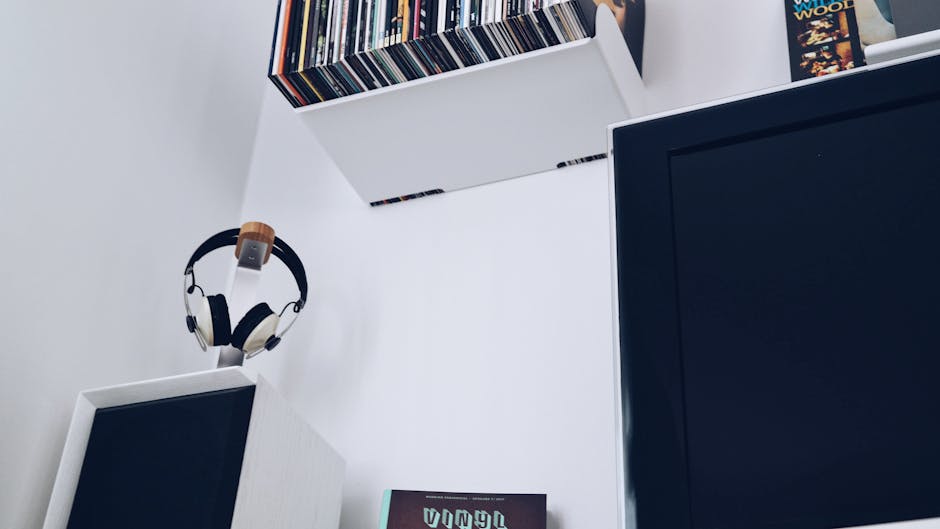
- Add a dedicated hook or stand for headphones.
- Keep chargers where you actually listen (not where they “should” live).
- Create a single “grab-and-go” pouch for adapters and earplugs.
Actionable tip: Set a 30-minute timer and do only one improvement. You’ll be shocked how much more often you listen when setup feels effortless.
Real-world example: A $10 cable organizer can yield more day-to-day happiness than a $300 upgrade if it gets you listening five extra times a week.
9) Host a “One-Album Night” That Isn’t a Party (and Isn’t a Lecture)
Listening culture used to be social. You can revive it without making it awkward. A one-album night is simple: pick an album, play it front-to-back, and keep conversation minimal during the tracks.
- Invite 2–4 people max (small groups feel intentional).
- Offer one “context nugget” before you press play (why it matters, where it was recorded, what to listen for).
- Talk only between sides/tracks, like a book club—but lighter.
Actionable tip: Choose albums with clear sonic identity (live recordings, concept albums, landmark debuts). People engage more when the experience has a “place” and a story.
Why it’s a lifestyle upgrade: It turns music into a shared ritual, not background noise—while still keeping things relaxed.
Conclusion: Better Listening Is Often Better Living
You don’t need a perfect room, expensive speakers, or a rare vinyl collection to transform your relationship with music. Small lifestyle shifts—intentional volume habits, low-friction setup, smarter playlists, and a touch of acoustic common sense—can make music feel richer and life feel calmer. Pick one upgrade from this list, apply it this week, and let the momentum build. The goal isn’t to become “more audiophile.” It’s to make listening easier, healthier, and more meaningful.