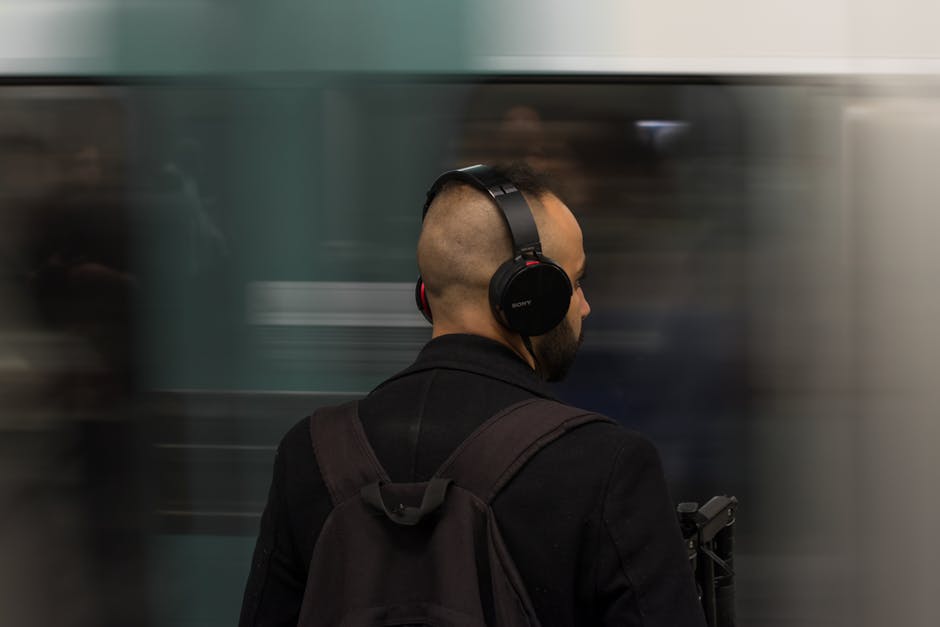

Why “Third Space” listening is the lifestyle upgrade most people miss
Most music-and-lifestyle advice stops at “make a playlist for the gym” or “listen to lo-fi to study.” Useful, but generic. A more specific (and trend-aligned) idea is the Third Space: the in-between moments where your brain transitions from one role to another—commute to home, work to dinner, parenting to personal time. These micro-transitions shape your mood, attention, and even your habits.
Instead of letting the day drag you from task to task, you can use intentional sound as a reset button. Below is a roundup of practical, real-world ways to build a “Third Space Music Reset” that improves focus, reduces stress, and makes your routines stick—without requiring expensive gear or a complete lifestyle overhaul.
Roundup: 15 Third Space music resets you can start this week
1) Build a 7-minute “arrival track” for each major life role
Create three short playlists (or even single-track rituals): Work Mode, Home Mode, and Creative Mode. Keep each around 7 minutes—long enough to shift your nervous system, short enough to repeat daily.
- Work Mode: steady tempo, minimal lyrics (reduces language interference when writing).
- Home Mode: warmer timbres, mid-tempo grooves, familiar songs that feel safe.
- Creative Mode: slightly novel music (new artist, new genre) to cue exploration.
Actionable tip: Start the playlist at the same physical moment every day (e.g., putting your keys down). The cue + sound pairing becomes automatic.
2) Use BPM targeting for task-matching (without overthinking it)
You don’t need perfect science to get value from tempo targeting. Use a simple heuristic:
- 50–70 BPM: wind-down, stretching, reading fiction, journaling.
- 80–110 BPM: admin tasks, cooking, email triage, cleaning.
- 120–140 BPM: workouts, brisk walks, high-energy chores.
Practical shortcut: Search your streaming app for “90 bpm” or “120 bpm” playlists, then save the best 20–30 minutes as your default.
3) Replace “doomscrolling” with a 3-song decompression stack
Many people exit work and instantly open social apps. Swap that for a three-step sequence:
- Song 1: something familiar (signals safety).
- Song 2: instrumental or low-lyric (lets the mind settle).
- Song 3: slightly uplifting (sets your next intention).
Real-world example: If your commute is short, this stack fits perfectly and keeps you from arriving home still “wired.”
4) Make “lyric boundaries” a rule, not a preference
If you do language-heavy work (emails, writing, studying), lyrics can compete for the same brain resources you need for words. Set a boundary:
- Lyrics allowed: workouts, cooking, showering, cleaning.
- Lyrics minimized: writing, coding, deep reading, planning.
Actionable tip: Create one playlist called “No Words” and keep it sacred for deep work only.
5) Use “sound zoning” to reduce household friction
Sound can quietly create conflict—competing speakers, TV noise, unpredictable volume spikes. “Sound zoning” means assigning different audio types to spaces:
- Kitchen: upbeat, shared playlists (higher social energy).
- Living room: lower-volume background music or silence windows.
- Bedroom: no algorithmic feeds; calming, predictable sounds only.
Tip: Put a small Bluetooth speaker in one “music zone” rather than blasting from phones everywhere.
6) Design an “algorithm-proof” playlist once a month
Recommendation engines are convenient but can flatten your taste into predictable loops. Once a month, do a manual refresh:
- Pick 5 new releases outside your usual genre.
- Add 5 older tracks from a decade you rarely explore.
- Add 5 instrumentals (film scores, jazz, ambient, classical).
Resource idea: Use music journalism to discover new angles and scenes; for broad culture coverage and interviews that can lead you down good rabbit holes, browse Rolling Stone’s music coverage and pull one artist you’ve never heard of into your rotation.
7) Turn a single album into a weekly “digital boundary” ritual
Pick one album (front to back) that becomes a weekly boundary: no skipping, no notifications, no multitasking. The point is not productivity—it’s attention training.
- When: Sunday evening, midweek reset, or after a stressful meeting day.
- Where: couch, balcony, or a slow walk.
Why it works: Albums enforce pacing and narrative. That structure can calm decision fatigue caused by endless choices.
8) Use “auditory anchors” to maintain habits
Choose one track to anchor a habit you struggle to keep. The song becomes the cue.
- Habit: flossing → Anchor: one 2–3 minute song nightly.
- Habit: journaling → Anchor: a calm instrumental intro.
- Habit: stretching → Anchor: a slow-tempo playlist.
Tip: Keep the anchor track the same for at least 30 days. Consistency beats novelty here.
9) Leverage “tempo ramps” for workouts without a coach
Instead of a random high-energy mix, build a tempo ramp:
- Warm-up: 90–110 BPM
- Main set: 120–140 BPM
- Finisher: one peak track you love
- Cool down: drop back under 90 BPM
Real-world payoff: You’ll push harder during the main set and recover better afterward because your music cues the shift.
10) Make meetings and calls less draining with a “pre-call buffer”
Before an important call, play 60–120 seconds of music that sets your posture and breathing—then go silent for 30 seconds. This is a mini nervous-system reset.
- For confidence: steady groove, strong rhythm section.
- For calm: sparse instrumentation, slow attack, low dynamics.
11) Use “silence windows” as a deliberate part of your audio diet
Not every moment needs sound. Schedule silence like you schedule playlists:
- 10 minutes after waking (no audio input).
- 10 minutes before bed (let the nervous system downshift).
Tip: Silence makes music more effective later—your ears and attention reset.
12) Build a “social glue” playlist for hosting (and avoid volume wars)
Hosting is lifestyle. Music can keep energy steady without hijacking conversation.
- Rule: keep volume consistent and lyrics familiar-ish.
- Structure: start mid-tempo → gradually lift energy → taper late.
- Duration: at least 90 minutes so you’re not touching your phone.
13) Use live recordings to make mundane tasks feel “bigger”
Live albums and sessions add crowd energy and room sound that can elevate boring chores.
- Best for: cleaning, meal prep, organizing, errands.
- Bonus: live tracks often have longer intros/outros—great for staying in motion.
14) Try “genre pairing” to expand taste without losing comfort
If you want new music but hate the cold-start problem, pair genres with a familiar anchor:
- If you like indie rock, try indie + Afrobeat playlists.
- If you like hip-hop, try hip-hop + jazz instrumentals.
- If you like EDM, try EDM + ambient for focus blocks.
Tip: Add only 1–2 new artists per week. Too much novelty becomes noise.
15) Create a “night drive” playlist even if you don’t drive
The “night drive” vibe is trending because it reliably produces a reflective, cinematic mood. Use it for:
- Evening walks
- Post-dinner reset
- Low-stimulus creative planning
Actionable tip: Keep the playlist under 45 minutes and end with a slower track to signal closure.
Conclusion: Treat sound like a lifestyle tool, not just entertainment
Music is one of the fastest ways to shift attention and emotion—especially in the “Third Space” moments where your day quietly changes direction. If you implement only two ideas from this roundup, start with a 7-minute arrival track and a three-song decompression stack. Those alone can reduce friction, improve transitions, and make your routines feel more intentional.
The bigger point: when you choose your sound on purpose, you’re designing your environment—and your environment designs your behavior.