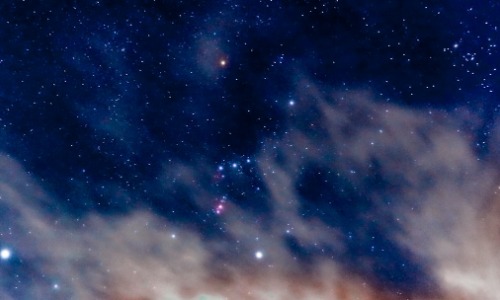

The Orion Constellation, one of the most recognizable patterns in the night sky, offers amateur and professional photographers alike an opportunity to capture the beauty of the cosmos. In this article, we delve into expert techniques for photographing and processing the Orion Constellation, as outlined by renowned astrophotographer Chris Roubis.
Understanding the Orion Constellation
Located on the celestial equator, the Orion Constellation is home to some of the brightest stars visible to the naked eye, including Betelgeuse and Rigel. This constellation not only serves as a stunning visual spectacle but also acts as a guidepost for navigating the night sky. Its prominence makes it an ideal target for astrophotography, particularly during winter months in the Northern Hemisphere.
Essential Equipment for Astrophotography
To capture the stunning details of Orion, photographers need specific equipment. A DSLR or mirrorless camera with manual settings is essential for astrophotography. Additionally, a sturdy tripod is crucial to prevent camera shake during long exposure shots. A wide-angle lens with a large aperture (f/2.8 or lower) is recommended to gather as much light as possible. Opting for a telescope can further enhance the details captured, especially when photographing specific nebulae within the constellation.
Techniques for Capturing Orion
Timing and location are key when photographing the Orion Constellation. Choose a dark location away from city lights, ideally during a new moon to minimize light pollution. Setting the camera to a high ISO (800-3200) allows for better exposure of faint stars. Long exposures of 15-30 seconds can yield stunning results, but using a star tracker can help prevent star trails and enhance clarity. Roubis emphasizes the importance of experimenting with different settings to find the perfect balance for individual shooting conditions.
Post-Processing Tips
Once the images are captured, post-processing is where the magic continues. Software like Adobe Lightroom or Photoshop can help enhance the colors and details of the captured images. Adjusting contrast and brightness can bring out the vibrant hues of the nebulae, while noise reduction techniques can clean up the images without sacrificing detail. Roubis also suggests stacking multiple images to improve overall quality and reduce noise.
Joining the Astrophotography Community
Engaging with fellow astrophotographers can provide valuable insights and feedback. Online forums and social media groups dedicated to astrophotography are excellent platforms for sharing experiences, tips, and showcasing work. Participating in local astronomy clubs can also enhance your skills through workshops and group observation nights.
Conclusion
Photographing the Orion Constellation is a rewarding venture that combines art and science. With the right equipment, techniques, and post-processing skills, anyone can create stunning images of this celestial wonder. As Chris Roubis demonstrates, patience and practice are key to mastering astrophotography, and the results are well worth the effort. Whether you are a beginner or an experienced photographer, exploring the night sky offers endless opportunities for creativity and discovery.