
Heat and cold are trending for a reason (but your schedule matters more than the hype)
Cold plunges are everywhere. Saunas have been “back” for years. And now contrast therapy (bouncing between hot and cold) is having a moment—especially in gyms, boutique recovery studios, and backyard setups that look like a tiny spa village.
But the real question isn’t “Which one is best?” It’s: Which approach can you do consistently without turning recovery into a second job? Because the best wellness routine is the one you’ll still be doing in 6 weeks when life gets messy.
This comparison breaks down three popular options—cold plunge, sauna, and contrast therapy—with practical pros/cons, who each method tends to work best for, and simple ways to start without spending a fortune.
Quick comparison: what each option is really doing
- Cold plunge: short exposure to cold water (often ~50–59°F / 10–15°C), usually 1–5 minutes. Goal: acute stress response, perceived recovery, mental “reset.”
- Sauna: hot room (traditional sauna often 160–200°F / 71–93°C), usually 10–20 minutes. Goal: heat stress, relaxation, circulation, sleep support.
- Contrast therapy: alternating heat and cold (e.g., sauna then cold rinse/plunge) in cycles. Goal: combining the “downshift” feeling of heat with the wake-up of cold.
Option #1: Cold plunge (or cold water immersion)
Why people love it
The cold plunge crowd will tell you it’s like hitting a “refresh” button for your brain. Many people report feeling energized and more resilient after a plunge, especially when they treat it like a mini mental-training session.
Potential benefits (what you can reasonably expect)
- Mood and alertness boost: Cold exposure triggers a strong physiological response—breathing changes, heart rate shifts, and a rush of “I did the hard thing.” Lots of people use it as a morning ritual.
- Perceived soreness reduction: Many athletes use cold water immersion after hard training blocks. You may feel less sore the next day, especially after high-volume leg days or long runs.
- Time-efficient: You can be in and out in under 10 minutes total.
Trade-offs and who should be cautious
- It’s uncomfortable: Not “oops the shower is cold” uncomfortable—more like “my nervous system is arguing with me” uncomfortable.
- Can blunt muscle growth signals: If your main goal is hypertrophy, doing cold immersion immediately after strength training may reduce some training adaptations. If you lift for size/strength, consider separating intense cold from lifting sessions by several hours (or use it on rest days).
- Not for everyone medically: People with certain cardiovascular conditions, unmanaged high blood pressure, or pregnancy should get medical guidance before jumping in.
Best for
- People who need a fast, high-impact ritual (busy parents, entrepreneurs, early-morning exercisers)
- Athletes in heavy endurance blocks or during competition weeks
- Anyone who enjoys the “discipline practice” vibe
Actionable starter protocol (low drama)
- Start with 30–60 seconds in cool water, not ice. Build tolerance.
- Target 2–3 sessions/week for the first month.
- Use breathing as the skill: inhale through the nose (if possible), long exhale through the mouth. Your goal is calm, not toughness theater.
- DIY option: a cold shower finish (30–90 seconds) after your normal shower is a legit on-ramp.
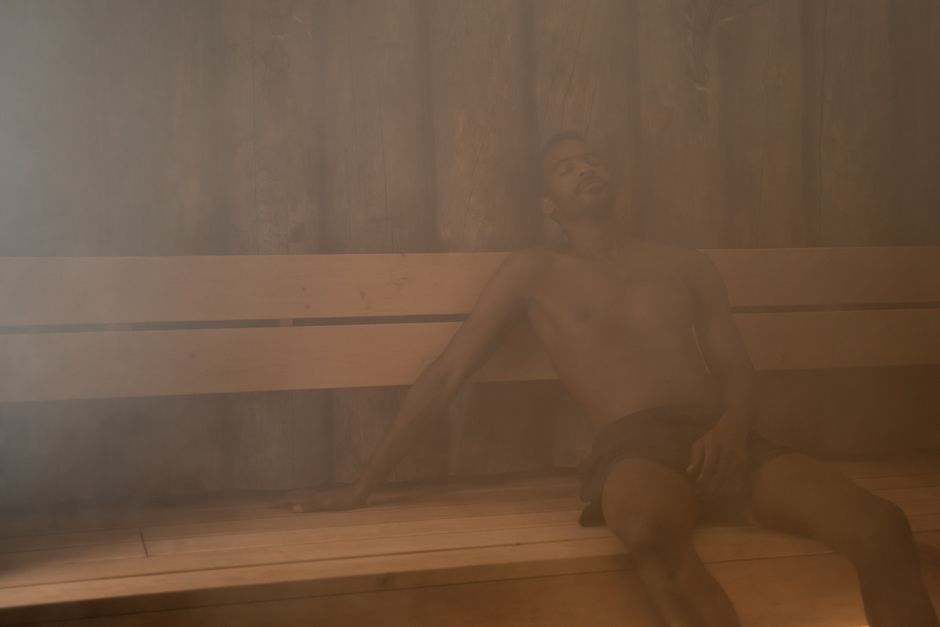
Option #2: Sauna (traditional or infrared)
Why people stick with it
Sauna tends to be easier to fall in love with because it feels good. It’s quiet. It’s social (if you want it to be). And it pairs ridiculously well with better sleep habits.
Potential benefits (what you can reasonably expect)
- Relaxation and downshifting: Heat exposure can help your body transition out of “go mode,” especially if you do it in the evening.
- Circulation and recovery feel: Many people feel looser after heat—less stiff hips, easier movement, calmer joints.
- Consistency: Because it’s pleasant, people often keep up a sauna habit longer than cold plunges.
Data point worth knowing
Large observational studies (especially from countries where sauna use is common) have found associations between frequent sauna use and better long-term health outcomes. Associations aren’t the same thing as guaranteed cause-and-effect, but the patterns are strong enough to make sauna a compelling “if you enjoy it, keep doing it” habit.
Trade-offs and who should be cautious
- Dehydration is real: You lose fluid fast. If you walk out dizzy, that’s a sign you pushed too hard or didn’t hydrate.
- Time cost: A good sauna session is rarely “in and out.” Factor in cool-down and shower time.
- Heat tolerance varies: Some people feel amazing; others feel drained.
Best for
- People who want a sleep-supporting evening routine
- Desk workers who feel tight and stressed
- Anyone who values a ritual that’s pleasant and sustainable
Actionable starter protocol (simple and safe)
- Start with 8–12 minutes, then build up to 15–20 minutes if you tolerate it.
- Hydrate before and after. If you sweat heavily, consider electrolytes.
- Try 2–4 sessions/week for a month and track: sleep quality, stress levels, soreness.
- Cool-down matters: sit or stand in a cooler area for a few minutes before jumping into a cold shower.
Option #3: Contrast therapy (hot/cold cycles)
Why it’s getting popular
Contrast therapy is the “best of both worlds” option—at least in theory. You get the mellowing effect of heat and the sharp wake-up of cold. Many people describe it as the most noticeable for immediate “I feel brand new” vibes.
Potential benefits (what you can reasonably expect)
- Strong mental reset: The switching forces you to be present. It’s hard to doomscroll in your brain when you’re timing intervals.
- Great for post-workout rituals: Especially after team sports, intense conditioning, or long hikes.
- Less intimidating than pure cold: The heat break can make cold exposure feel more doable.
Trade-offs and who should be cautious
- Logistics: You need access to both temperatures. That usually means a facility or a serious home setup.
- Easy to overdo: People get excited and turn it into a marathon. More isn’t always better.
- Same cautions as heat and cold: If either extreme is risky for you, alternating extremes can be riskier.
Best for
- People who enjoy structured routines (timers, rounds, tracking)
- Anyone who wants a weekly “recovery appointment” rather than a daily habit
- Athletes who want a noticeable post-session bounce-back feeling
Actionable starter protocol (easy template)
- 2–3 rounds total
- Heat: 8–12 minutes
- Cold: 30–90 seconds (cold shower works)
- Finish with heat if your goal is relaxation/sleep; finish with cold if your goal is alertness.
So which one should you pick? Use these “real life” filters
1) Your goal this season
- Better sleep and less stress: Sauna tends to win.
- Mental toughness + morning energy: Cold plunge tends to win.
- Full reset after brutal training weeks: Contrast therapy is a great tool.
2) Your training style
- Hypertrophy-focused lifting: Prioritize sauna, or keep cold exposure away from post-lift windows.
- Endurance training: Cold and contrast can feel amazing during heavy mileage blocks.
- General fitness: Choose the one you’ll do consistently and safely.
3) Your budget and access
- Cheapest entry: cold shower finish + occasional gym sauna.
- Mid-range: gym with sauna and cold shower, or a recovery studio pass.
- Home setup: a quality sauna or dedicated cold tub can get pricey fast, plus maintenance.
What about safety and evidence?
Heat and cold exposure are powerful stressors. That’s part of why they can feel so effective—but it’s also why you should be smart about them. If you have any cardiovascular concerns, are pregnant, or take medications that affect blood pressure, it’s worth checking in with a clinician before doing extremes.
If you want a reputable place to explore health topics and current research across conditions and wellness strategies, browse resources from the National Institutes of Health. It’s a solid starting point for understanding what’s known, what’s still being studied, and what populations need extra caution.
Real-world examples: what this can look like in an actual week
The “busy schedule” plan (15 minutes max)
- Mon/Wed/Fri: normal shower + 45 seconds cool-to-cold at the end
- Saturday: gym sauna 10–15 minutes
Why it works: you get frequent nervous-system practice without a huge time commitment.
The “sleep-first” plan (evening wind-down)
- Tue/Thu: sauna 15 minutes + slow cool-down + hydration
- Sunday: optional gentle contrast (warm shower then 30 seconds cool)
Why it works: it stacks with a bedtime routine and doesn’t spike you right before sleep.
The “hard training block” plan (when legs are toast)
- After toughest conditioning day: contrast therapy (2 rounds only)
- One other day: sauna for relaxation and mobility work afterward
Why it works: it’s targeted. You’re not trying to be a full-time recovery influencer.
Pro tips that make any option work better
- Track one metric: sleep quality (1–10) or resting heart rate. If it’s trending worse, dial back.
- Hydrate like an adult: especially with sauna. If you’re sweating heavily, add electrolytes.
- Don’t chase extremes: colder isn’t always better; hotter isn’t always better. Consistency beats intensity.
- Pair it with something boring-but-effective: 5 minutes of stretching after sauna, or 2 minutes of slow breathing after cold exposure.
Conclusion: the best recovery ritual is the one you’ll actually repeat
If you want the simplest answer: sauna is usually the most sustainable habit, cold plunge is the most time-efficient “jolt,” and contrast therapy is the most intense reset—when you have access and you keep it reasonable.
Pick the option that matches your goal, your training, and your real schedule. Then run it as a 4-week experiment. Keep what improves your sleep, mood, and recovery—and drop what turns wellness into yet another thing to “win.”