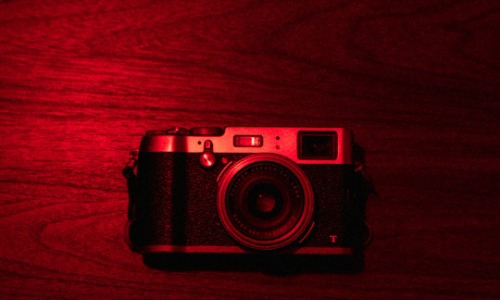

The debate between film and digital photography continues to intrigue both amateur and professional photographers alike. With advancements in technology, the differences in image quality have evolved, leading many to reconsider their preferences. This article delves into the key aspects of image quality in both mediums, highlighting their unique characteristics and the implications for photographers.
The Characteristics of Film Photography
Film photography is often praised for its rich tonal range and dynamic depth. The way film captures light contributes to a distinctive aesthetic that many photographers find appealing. The grain of the film can add a certain texture to photographs, which is often sought after in artistic and portrait photography. Additionally, film's ability to render colors with a natural vibrancy can make images appear more lifelike.
The Advantages of Digital Photography
On the other hand, digital photography has revolutionized the way images are captured and processed. Digital sensors can offer higher resolution images, which is advantageous for large prints and detailed work. Furthermore, the immediacy of digital allows photographers to review and edit their shots instantly, streamlining the creative process. Modern digital cameras also feature advanced settings that enhance low-light performance, making them versatile tools for various shooting conditions.
Comparing Image Quality
When comparing image quality, factors such as resolution, dynamic range, and color accuracy come into play. Film tends to excel in dynamic range, capturing subtle details in highlights and shadows. However, the resolution of high-end digital cameras can surpass that of film, allowing for greater detail and clarity. Color accuracy is another area of competition; while film can exhibit unique color renditions, digital files can be manipulated in post-processing to achieve desired results.
Personal Preference and Artistic Expression
Ultimately, the choice between film and digital comes down to personal preference and artistic expression. Many photographers appreciate the tactile experience of shooting with film, including the anticipation of developing prints in a darkroom. Conversely, others prefer the convenience and flexibility of digital photography. This ongoing debate reflects the diverse landscape of photography, where both mediums can coexist and inspire creativity.
The Future of Film and Digital Photography
As technology continues to evolve, both film and digital photography are finding their places in the modern world. Film has experienced a resurgence, with new generations embracing its nostalgic qualities and unique characteristics. Digital photography remains the dominant force in mainstream photography, yet the appreciation for film's artistry endures. The future may see a harmonious blend of both techniques, enriching the photographic experience for all.
Conclusion
In conclusion, the comparison of image quality between film and digital photography reveals both strengths and weaknesses in each medium. While film offers a distinctive aesthetic that appeals to many, digital photography provides unmatched convenience and flexibility. Ultimately, the choice between the two mediums is a personal one, shaped by individual preferences and artistic goals. In the end, both film and digital photography hold valuable places in the hearts of photographers around the world.