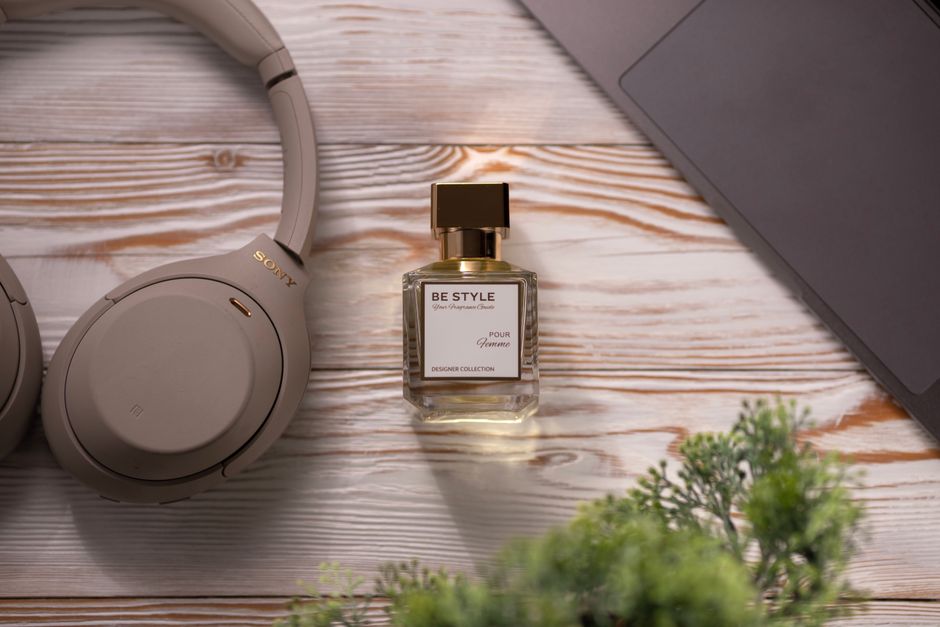

What is “sonic scentscaping,” and why is it suddenly everywhere?
Sonic scentscaping is the intentional pairing of music and fragrance to shape a specific state—calm, confidence, focus, romance, recovery, or even a “main character” night-out vibe. It’s trending because it fits modern lifestyle habits: people are building routines (morning rituals, gym blocks, deep-work sprints) and want fast, repeatable cues that tell the brain, “we’re doing this now.”
Music is already a powerful context switch. Fragrance is too—smell is tightly linked to memory and emotion. When you combine them deliberately, you create a layered signal that can make habits stick faster and feel more immersive. Think of it as a personal “branding” system for your day, built from sound and scent.
Is there real science behind pairing scent and sound?
There’s a strong evidence base for both pieces separately, and growing research interest in how senses interact. Two practical takeaways matter for everyday use:
- Scent-to-memory is unusually direct: olfactory signals connect closely with brain regions involved in emotion and memory. That’s why one smell can instantly bring back a place, a person, or a time in your life.
- Music reliably shifts arousal and attention: tempo, rhythmic density, and familiarity can change perceived energy and focus. Faster tempos and higher intensity often raise arousal; calmer, predictable sound can reduce stress.
When you pair a fragrance with a specific music “mode” consistently, you’re essentially building a multi-sensory cue. Over time, your brain learns the association: the scent becomes a shortcut to the state the music helps you enter.
How do I build a “scent + sound” ritual that actually works?
Use a simple 4-step framework that prioritizes repeatability over perfection:
1) Pick one state (not a vague goal)
Examples: “deep work for 45 minutes,” “pre-game confidence,” “post-gym recovery,” “wind-down for sleep.” Avoid broad goals like “be happier.”
2) Choose one scent category and keep it consistent
You don’t need a huge collection. Choose a category that matches your target state:
- Focus: citrus (bergamot, lemon), green notes, light woods
- Confidence/social energy: amber, spice, leather, aromatic fougres
- Calm/sleep: lavender, soft musks, powdery iris, gentle vanilla
- Clean reset: soap/aldehydes, aquatic, light neroli
Tip: Use a lighter application for work (one spray) and heavier for nightlife (two to three) so the intensity matches the environment.
3) Assign one sound profile (tempo + texture + familiarity)
Instead of picking random playlists daily, define a sound profile you can repeat:
- Tempo band: e.g., 60–80 BPM for calm, 100–130 BPM for energy
- Texture: instrumental vs. vocal (vocals can hijack language centers during writing)
- Familiarity: familiar tracks reduce surprise; new tracks can distract or excite
This is less about genre labels and more about how the music behaves.
4) Lock the pairing for 2–3 weeks
Consistency is the multiplier. Run the same pairing long enough for your brain to connect “this smell + this sound = this mode.” Then evaluate and adjust one variable at a time.
What are the best music-and-fragrance pairings for specific lifestyle goals?
Below are practical pairings you can test immediately. They’re designed around tempo, density, and emotional tone—not just “this smells cool.”
How do I create a deep-work bubble at home?
Goal: sustained attention without mental fatigue.
- Scent: citrus + light woods (bergamot/cedar is a classic “clean-focus” combo)
- Sound: low-lyric or no-lyric electronic, minimal jazz, ambient, or film score textures
- Rule: avoid high-drama crescendos if you’re writing or coding—keep dynamic range stable
Actionable setup: Use a timer (45/15). Apply scent only at the start of the 45-minute block. If you reapply mid-block, you may start “chasing” stimulation rather than building a reliable cue.
How can I use scent + sound to feel more confident before a date or event?
Goal: controlled energy—present, not frantic.
- Scent: amber/spice, leather, or a modern aromatic with a warm base
- Sound: mid-tempo tracks (roughly 90–115 BPM) with a steady groove; avoid overly aggressive tempos that push anxiety
- Rule: choose music you know well—familiarity increases perceived control
Real-world example: If you have a “signature going-out scent,” reserve it for social settings only. Over time, one spray becomes a psychological switch: you’ll feel social-ready faster because your brain has stored the association.
What pairing helps a morning routine feel less chaotic?
Goal: a smooth ramp from sleep to action.
- Scent: neroli/green tea/clean musk (fresh without being sharp)
- Sound: upbeat but not intense—think bright, rhythmic tracks with moderate tempo
- Rule: keep the first 10 minutes lyric-light if you’re prone to doomscrolling; lyrics can pull attention outward
Actionable tip: Put your “morning scent” by your headphones. The physical proximity turns it into a frictionless habit loop.
How do I build a post-gym recovery ritual that reduces stress?
Goal: downshift the nervous system so you don’t stay wired for hours.
- Scent: lavender or soft vanilla-musk (comforting, low edge)
- Sound: slow tempos, warm harmonic content, lo-fi, downtempo, or ambient
- Rule: avoid “victory music” after training if you need to sleep later—it can keep adrenaline high
Data point you can use: A practical heuristic is to step down tempo in stages (e.g., 120 BPM workout e 90 BPM cooldown e 70 BPM recovery). Your body often follows the trend you feed it.
How do I pick music intelligently without getting stuck in algorithm loops?
Recommendation algorithms are great until your taste narrows and everything starts sounding the same. For scentscaping, you want a reliable “core” plus occasional novelty so your brain stays engaged without distraction.
- Build a 3-layer library: (1) “Anchor” tracks you always use for the state, (2) a rotating set of similar tracks, (3) a discovery pool.
- Use genre as a starting point, not a prison: you’re optimizing for mood mechanics (tempo, timbre, density), not labels.
- Check credits and lineage: if a track’s vibe works, explore who produced it, what era it draws from, and adjacent scenes.
For deeper discovery and context, use a high-quality catalog resource like AllMusics artist and album database to trace influences, subgenres, and related artists beyond your feed.
Can I do sonic scentscaping on a budget?
Yes. You don’t need luxury fragrance or audiophile gear. You need consistency and clarity.
- Start with one versatile scent profile: a clean citrus for day or a soft musk for evening is enough to begin building associations.
- Use samples or travel sizes: theyre cheaper and let you test without commitment.
- Use what you already own: a scented body lotion or hair product can work as your “cue” if its consistent.
- Headphones e speakers (initially): headphones create a stronger boundary and reduce environmental noise, helping the ritual “stick.”
What are common mistakes that make the pairing feel pointless?
- Changing everything every day: the brain cant learn an association if the cue keeps changing.
- Overapplying fragrance: if you overwhelm your senses, you risk irritation and youll stop noticing it (nose fatigue). Start subtle.
- Using distracting music for cognitively heavy tasks: busy vocals can sabotage reading, writing, and complex problem-solving.
- Trying to force a vibe you dont actually like: if you hate the scent or find the music annoying, youll resist the ritual.
How do I track whether its actually improving my life?
Use a quick “before/after” check that takes 30 seconds:
- State rating: rate focus/calm/energy from 1–10 before and after your ritual block.
- Output metric: one measurable outcome (words written, tasks completed, minutes trained, conversations initiated).
- Consistency score: number of days you repeated the same pairing this week.
After two weeks, keep what improves both the rating and the output. Drop what only feels aesthetic.
Conclusion: Whats the simplest way to start sonic scentscaping today?
Pick one lifestyle moment you want to upgrade (deep work, morning ramp-up, confidence before going out, post-gym recovery). Choose one fragrance youll reserve for that moment, and one consistent sound profile youll repeat for 2–3 weeks. Keep it subtle, track a basic outcome metric, and refine one variable at a time.
Done well, sonic scentscaping turns music from background noise and fragrance from a random accessory into a repeatable tool—a personal system for mood, identity, and momentum.