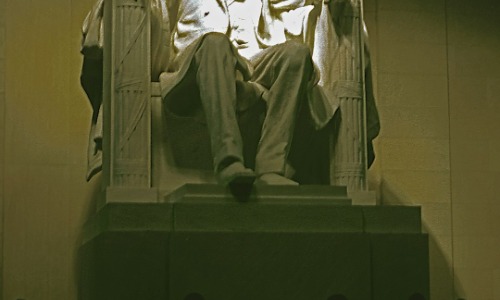

Abraham Lincoln, the 16th President of the United States, is often celebrated for his leadership during the Civil War and his efforts to abolish slavery. However, a closer examination of his presidency reveals a complex relationship with financial institutions, raising questions about whether he was influenced by powerful monetary interests.
The Financial Landscape of Lincoln's Era
During the mid-19th century, the United States was grappling with significant economic challenges. The nation was transitioning from an agrarian economy to a more industrialized one, and this shift necessitated substantial financial resources. Banks and wealthy industrialists began to exert considerable influence over the political landscape, a factor that would eventually intersect with Lincoln's administration.
Lincoln's Monetary Policies
Lincoln's tenure saw the introduction of several pivotal monetary policies, including the issuance of greenbacks—paper currency that was not backed by gold or silver. This move aimed to finance the Civil War without relying solely on loans from banks. Critics argue that this decision was a direct challenge to the established monetary powers, suggesting that Lincoln may have been a pawn in a larger game involving financial elites.
Opposition from Financial Institutions
Lincoln faced fierce opposition from powerful banking interests, particularly those aligned with the Eastern establishment. These financial institutions were threatened by his policies, which sought to empower the federal government over private banks. As a result, Lincoln's relationship with these money powers was fraught with tension, leading to accusations that he was being manipulated by them for their own benefit.
Support from the People
Despite the challenges posed by financial elites, Lincoln maintained strong support from the general populace. His commitment to preserving the Union and abolishing slavery resonated with many Americans, who viewed him as a leader fighting against the oppressive influences of concentrated wealth. This grassroots backing provided him with the political capital to pursue policies that ran counter to the interests of powerful bankers.
The Legacy of Lincoln's Financial Decisions
Lincoln's financial decisions have had a lasting impact on the American economic system. His use of greenbacks and the establishment of a national banking system laid the groundwork for modern monetary policy. While some historians argue that he was a puppet of money powers, others contend that his actions were a courageous stand against them, aimed at promoting a more equitable financial system.
Conclusion
The question of whether Abraham Lincoln was a money power puppet is complex and multifaceted. While he navigated a political landscape heavily influenced by financial interests, his commitment to the Union and social justice suggests a leader who was more than just a pawn. As historians continue to dissect Lincoln's legacy, it remains clear that his financial policies were both a response to and a challenge against the powerful monetary forces of his time.