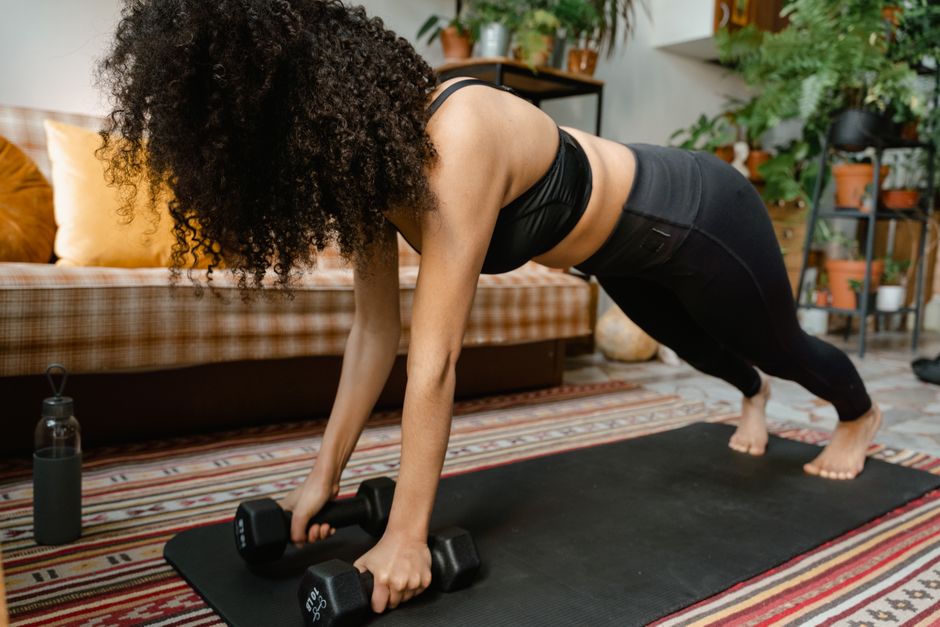

Micro-workouts: the fitness trend that actually fits real life
If your schedule makes 45–60 minute workouts feel unrealistic, you’re not alone. The good news: you can still improve strength, mobility, and cardiovascular fitness by using “exercise snacks”—short bursts of movement spread across the day. This approach is often called micro-workouts or workout stacking.
Why it works: research on brief, repeated activity bouts suggests meaningful benefits for heart health, blood sugar control, and overall conditioning—especially when the alternative is long stretches of sitting. Even a few minutes at a time can add up to the weekly activity targets most health guidelines recommend. If you want a simple baseline to aim for, see WebMD’s overview of physical activity guidelines and use it to benchmark your weekly totals.
Below are 9 specific micro-workouts you can “stack” throughout the day. Each one is designed to take 1–7 minutes, require little or no equipment, and address a distinct need: posture, strength, conditioning, or mobility.
9 Micro-Workouts to Stack Throughout the Day
1) The “Wake-Up Joints” Mobility Circuit (3 minutes)
Best for: morning stiffness, desk-bound hips and shoulders, gentle nervous system activation.
Do this:
- 30 seconds: neck circles (slow, pain-free range)
- 30 seconds: shoulder rolls (forward/back)
- 45 seconds: cat-cow (on hands/knees or standing with hands on thighs)
- 45 seconds: hip hinges (hands on hips, push hips back, neutral spine)
- 30 seconds: ankle pumps and circles
Actionable tip: Pair it with something you already do (habit stacking): start the circuit while your coffee brews or after brushing your teeth. Consistency beats intensity here.
2) The “First-Meeting Posture Reset” (2 minutes)
Best for: tech neck, rounded shoulders, tension headaches triggered by screen time.
Do this:
- 10 scapular squeezes: pull shoulders back/down (avoid shrugging)
- 8 wall angels (or “snow angels” against a wall)
- 20–30 seconds chest stretch in a doorway
Real-world example: If you take video calls, do the scapular squeezes while the meeting software loads. Over a week, that can mean 20–40 extra posture reps without “finding time” to work out.
3) Stair Sprint “Snack” (4 minutes total)
Best for: fast cardio conditioning with minimal space.
Do this:
- 1 minute easy walk (warm-up)
- 20 seconds brisk stair climb
- 40 seconds easy walk down/recover
- Repeat 3 rounds (total = 4 minutes)
Actionable tip: Keep intensity at “challenging but controlled.” You should be breathing hard but still able to speak a short sentence. If you’re new to cardio, start with 2 rounds.
Data point: Three rounds is just 60 seconds of “hard effort,” but it can noticeably elevate heart rate and build capacity over time—especially if repeated 3–5 days per week.
4) The “Kitchen Counter Strength Pair” (5 minutes)
Best for: upper body strength without equipment.
Do this (set a timer for 5 minutes):
- Counter incline push-ups: 6–12 reps
- Chair-supported split squats: 6–10 reps per side
- Rest only as needed; cycle continuously
Actionable tip: Adjust difficulty instantly by changing angles. Push-ups get easier at a higher counter and harder on a lower surface. Split squats get easier with more hand support and harder with less.
5) The “Glute Wake-Up” for Back-Friendly Hips (3 minutes)
Best for: low-back crankiness, sitting-induced hip stiffness, improved walking/running mechanics.
Do this:
- Glute bridges: 12–15 reps (2-second squeeze at the top)
- Side-lying clamshells: 12 reps per side (slow)
- Bodyweight good mornings: 10 reps (hands behind head, hinge at hips)
Real-world example: Many people feel their lower back “takes over” during chores (laundry, dishes). Activating glutes midday can shift work back where it belongs—into hips and legs—so your back isn’t doing everything.
6) The “Eye + Core Break” (2–3 minutes)
Best for: screen fatigue, slumped sitting, midday energy dips.
Do this:
- 20 seconds: look at something far away (across the room or out a window)
- 30 seconds: standing tall, slow nasal breaths
- 30–45 seconds: plank on a desk or counter
- 6–10 slow standing knee raises per side
Actionable tip: Put a recurring calendar reminder every 90 minutes. You’re not “interrupting work”—you’re maintaining the body that does the work.
7) The “Grip & Carry” Mini-Session (3–6 minutes)
Best for: functional strength, posture under load, forearm/grip endurance (often neglected).
Do this:
- Pick two moderately heavy items: grocery bags, a backpack, or two water jugs
- Farmer carry: walk 30–60 seconds
- Rest 30 seconds
- Repeat 3–5 rounds
Real-world example: If you live in an apartment, turn one trip from the car into a carry workout. Stand tall, ribs down, shoulders back and down—not shrugged.
Actionable tip: If grip is the limiting factor, that’s a feature, not a bug. Grip endurance translates to daily tasks (opening jars, carrying luggage, yard work) and many resistance exercises.
8) The “Lunch Break Zone 2 Walk” (7 minutes)
Best for: steady-state cardiovascular health, mood, digestion, creative thinking.
Do this: Walk at a pace where you can talk but would rather not sing (a practical “Zone 2” proxy). Keep it to 7 minutes—short enough to feel doable, long enough to matter.
Data point: A 7-minute walk after lunch, five days a week, equals 35 minutes of extra aerobic activity. Over a year, that’s roughly 30 hours of additional movement—without scheduling a single “workout.”
Actionable tip: If weather is a barrier, walk indoor loops: hallways, stairs (easy pace), or even marching in place during a call.
9) The “Evening Downshift” Mobility + Breath (5 minutes)
Best for: stress reduction, sleep support, recovery from sitting or training.
Do this:
- 1 minute: child’s pose (or seated forward fold if preferred)
- 1 minute: hip flexor stretch (30 seconds per side)
- 1 minute: thoracic rotation stretch (30 seconds per side)
- 2 minutes: slow breathing (inhale 4 seconds, exhale 6 seconds)
Actionable tip: Keep the light low and your phone out of reach. If you want the routine to “stick,” make it feel like a reward instead of another task.
How to build your personal workout stack (without overthinking it)
Use this simple formula for most people:
- One mobility snack (morning or evening)
- One strength snack (mid-morning or afternoon)
- One conditioning snack (stairs or brisk walk)
Weekly goal: Start with 10–20 total minutes per day (stacked), then increase intensity or frequency. The key is repeatability—micro-workouts shine when they’re frictionless.
Progression ideas:
- Add 1 round each week (e.g., from 3 to 4 stair intervals).
- Slow down the lowering phase of strength moves (3 seconds down).
- Carry slightly heavier loads or walk a bit longer.
Conclusion: Small, repeated efforts create outsized results
Micro-workouts aren’t a “lesser” form of fitness—they’re a practical system for people who live in the real world. By stacking 2–7 minute movement breaks across your day, you reduce long sedentary stretches, build strength with frequent practice, and improve conditioning without needing a perfect schedule.
Pick two micro-workouts from the list today and attach them to existing habits (coffee, meetings, lunch, evening wind-down). In a week, you’ll have a routine. In a month, you’ll likely notice better posture, more energy, and improved capacity for whatever your life demands.