
Why micro-gigs are exploding (and why lifestyle matters as much as gear)
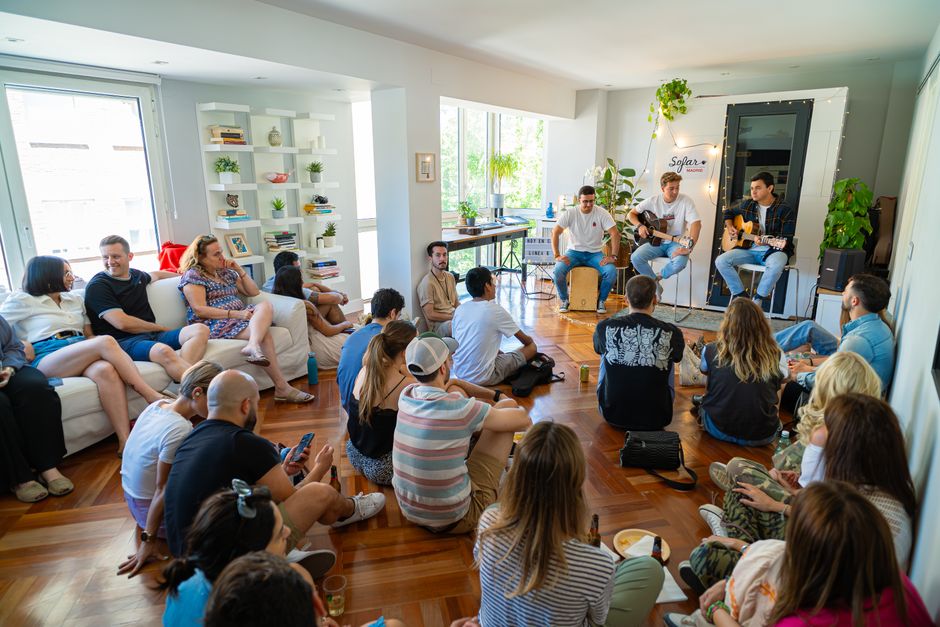
Not every memorable show happens under moving lights in a 500-cap room. A rising trend across cities and small towns is the micro-gig: a performance staged in a tiny space—living rooms, bookstores, cafés, barbershops, rooftops, galleries, yoga studios, even boutique retail stores—usually for 10–50 people. The appeal is simple: lower barriers, higher connection, and a more sustainable lifestyle for artists and audiences alike.
Micro-gigs also dovetail with how people live now: smaller social circles, more interest in experiences over possessions, and a desire for community that feels local and personal. For musicians, they offer a way to test songs, earn consistently, and build “real” fans—without waiting for a promoter to take a chance.
This roundup collects 11 practical, field-tested tips to run micro-gigs that feel professional while still intimate. You’ll find set design ideas, sound strategies for tiny rooms, etiquette for hosts and performers, money systems that don’t feel awkward, and repeatable workflows to make it a lifestyle—not a one-off novelty.
1) Treat the room like an instrument: map your “sound zones”
In micro-gigs, the room is half the mix. Before you set up, do a quick walk-through:
- Clap test: clap loudly in different spots. If you hear a long flutter echo or harsh reflections, aim your speakers (or your voice) away from those surfaces.
- Identify “hot corners”: bass piles up near corners and walls. If you’re using a small PA, pull it a foot or two from walls to reduce boom.
- Choose the listening center: pick a “sweet spot” for the majority of seats and mix for that zone.
Real-world example: a solo singer-songwriter in a bookstore often sounds clearer without a subwoofer. Minimal low end keeps vocals intelligible over ambient noise like espresso machines and HVAC.
2) Build a “micro-rider” that fits on one screen
Traditional tech riders can scare off small venues. A micro-rider is a friendly, one-screen checklist you can text or email:
- Setup footprint (e.g., “6' x 8' corner, one power outlet”)
- Noise expectations (e.g., “acoustic set” or “low-volume electric with small amp”)
- Basic input list (e.g., “1 vocal mic, 1 DI for guitar”)
- Start/end times (including a 15–20 minute buffer)
- Audience capacity target
This keeps the vibe collaborative and helps hosts feel confident saying yes.
3) Use “two-set pacing” to prevent room fatigue
In small spaces, attention is intense—and fragile. Instead of a single 60–75 minute block, try:
- Set 1: 25–35 minutes
- Break: 10–15 minutes (merch, conversation, refills)
- Set 2: 25–35 minutes
Actionable tip: open Set 2 with your strongest chorus within the first 60 seconds. In intimate rooms, that “reset moment” pulls the crowd back in immediately.
4) Put “audience choreography” on your checklist
Micro-gigs succeed when the room layout supports listening. Borrow ideas from dinner parties and workshops:
- Clear sightline: avoid placing you behind tall shelves or near a busy entry door.
- Three seating types: chairs, floor cushions, and standing spots. People self-select comfort.
- Silent zone: designate a “listening-first” area close to you.
Real-world example: a 30-person living room show often feels more “sold out” when chairs are slightly closer together. The energy rises when people are near each other.
5) Simplify your live sound: one knob can beat ten plugins
Small rooms punish overprocessing. Prioritize clarity over polish:
- Use less reverb than you think; rooms already provide natural ambience.
- High-pass vocals and acoustic instruments to reduce rumble.
- Keep stage volume low so the audience hears a cohesive mix.
If you’re looking for practical gear guides and setup advice tailored to real musicians (not just studio environments), a resource like MusicRadar’s instrument and live gear coverage can help you compare compact mixers, portable PA options, and microphone choices without getting lost in spec sheets.
6) Try the “soft ticket” model: RSVP + suggested contribution
Micro-gigs can feel weird if money is handled awkwardly. A proven approach:
- RSVP required (keeps capacity safe and builds anticipation)
- Suggested contribution (e.g., $10–$25 depending on city and draw)
- No-stress option for people who genuinely can’t (choose wisely—this keeps goodwill high)
Actionable tip: phrase it as “Suggested $15 to support the artist + host costs.” People are more generous when they understand what they’re funding.
7) Convert micro-gig fans into long-term supporters with one frictionless step
In a tiny room, you can earn a fan faster than online—but only if you capture the connection. The best “one step”:
- SMS or email list with a QR code near the exit
- A single promise: “2 texts/month—shows + new music only”
- An immediate reward: a private link to a live recording from the night
Real-world example: recording one song on a smartphone (audio-only is fine) and sending it to attendees the next day makes them feel part of the moment—and keeps your name in their messages without relying on social algorithms.
8) Design a “micro-merch table” that doesn’t kill the vibe
Merch doesn’t have to look like a street stall. In intimate settings, keep it curated:
- Three items max: e.g., vinyl/CD, a tee, and a lyric zine
- One sign with prices (remove decision friction)
- Tap-to-pay as default (many people don’t carry cash)
Actionable tip: sell a “micro-gig edition” item—like a numbered postcard with a handwritten lyric line. Scarcity and personalization match the micro-gig ethos.
9) Borrow from hospitality: make the host look like a hero
The host is your unofficial promoter. Make their life easier:
- Send a short invite template they can forward.
- Arrive early and keep setup clean.
- Publicly thank them with one specific compliment (“Thanks for turning your studio into a venue tonight”).
Hosts who feel appreciated tend to rebook you or recommend you—often more effectively than ads.
10) Create a repeatable “series,” not random one-offs
Micro-gigs become a lifestyle when they become a series. Think like a curator:
- Theme: “Songwriters & Stories,” “Quiet Jazz Sundays,” “Synths in the Gallery”
- Schedule: same week every month
- Collabs: rotate a guest artist to cross-pollinate audiences
Data point you can use immediately: if you run a monthly event for a year, you create 12 predictable touchpoints with your local audience. Consistency beats “big splash” energy for most independent careers.
11) Capture the night responsibly: content without turning it into a content farm
Micro-gigs are intimate; cameras can change the mood. Set expectations:
- Ask the host if filming is okay.
- Do one dedicated 60-second capture (tripod, fixed angle), then put phones away.
- If audience faces are visible, get verbal consent or frame creatively (hands clapping, silhouettes, wide shots).
Actionable tip: post one clip within 24 hours with a simple caption and tag the venue/host. That’s enough to keep momentum without turning a community moment into a marketing stunt.
Roundup checklist: your next micro-gig in 30 minutes of prep
- Send micro-rider + RSVP link
- Plan two-set pacing and a strong Set 2 opener
- Pack minimal sound kit (mics/DI/cables/power strip)
- Print one-page setlist and one merch price sign
- Prepare QR code for SMS/email list + a next-day “thank you” message
Conclusion: micro-gigs aren’t smaller—they’re closer
The micro-gig trend isn’t just a workaround for crowded venues or rising touring costs. It’s a lifestyle-friendly format that rewards musicians who value connection, consistency, and craft. When you treat the room like an instrument, simplify your sound, handle money gracefully, and build repeatable systems, you can turn tiny spaces into a reliable engine for growth.
If you’re looking for a sustainable way to perform more often, meet real listeners, and build momentum without burning out, your next “big break” might be a quiet, packed room where everyone can hear the lyrics—and where you can remember every face.