
Why choosing the right beach towel matters
A beach day is only as relaxing as the essentials you bring—and your towel is one of the most important. The right beach towel can help you dry off quickly, stay comfortable on hot sand, and carry less bulk in your bag. It can also last multiple seasons if you choose the right materials and construction. Below are nine practical, buyer-focused ways to pick a towel that fits your routine, from fabric selection to size, drying speed, and travel-friendly features.
1) Start with the fabric: cotton, microfiber, or a blend
Fabric is the biggest driver of feel, absorbency, and drying time.
- 100% cotton: Usually the softest and most absorbent, especially in higher-quality weaves. Cotton is ideal if comfort and classic “towel feel” matter most.
- Microfiber: Lightweight and fast-drying, great for travel or frequent beach trips where you want minimal bulk. It may feel less plush than cotton.
- Blends: Some towels combine fibers to balance softness, speed, and weight. These can be a good middle ground if you want quicker drying without losing comfort.
If you’re comparing options, it can help to look at a curated range of beach towel styles to see how different materials and constructions are positioned for various needs.
2) Choose the right weave: terry, velour, or flat-woven
The weave affects both performance and feel against the skin.
- Terry loop: The classic looped towel surface. It’s absorbent and plush, making it ideal for drying off after swimming.
- Velour: Velour towels are typically sheared on one side for a smooth, velvety finish. They feel luxurious and show printed designs well, but can be slightly less absorbent on the velour side.
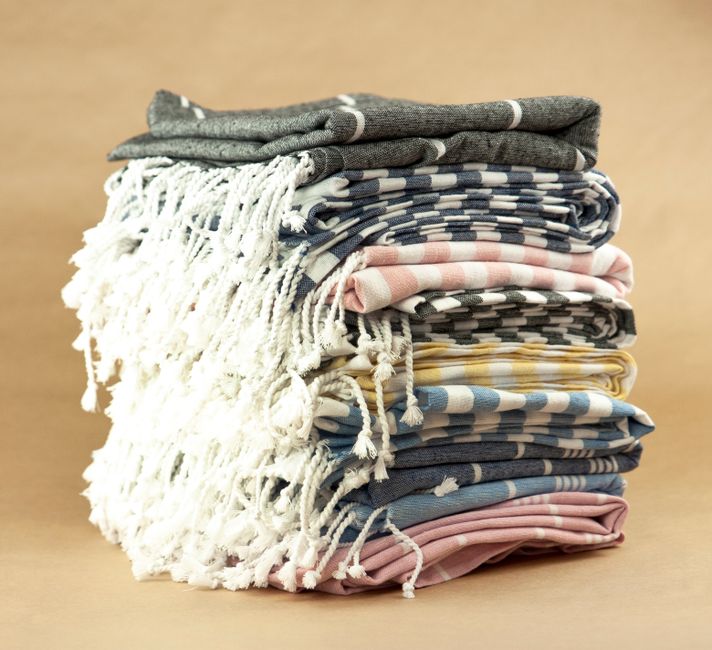
- Flat-woven (e.g., hammam/peshtemal-inspired): Often thinner and faster to dry, with less sand clinging. Great for packing light and layering on lounge chairs.
Think about your primary use: drying (terry), lounging and style (velour), or travel and sand resistance (flat-woven).
3) Size it to your lifestyle (not just the label)
Beach towels come in many sizes, and choosing the right one depends on how you spend your time by the water.
- Standard beach towel: Works well for solo use, casual swimming, and family beach days where you’re packing multiple towels.
- Oversized towel: Better if you like to stretch out fully, share with a child, or want extra coverage on loungers.
- Compact travel towel: Ideal for carry-on luggage, gym-to-beach plans, or minimalist packing.
A quick test: if you often sit and read, add a size tier. If you mostly swim and dry off, standard sizing may be more practical.
4) Check GSM (weight) for the best balance of plushness and packability
GSM (grams per square meter) is a common indicator of towel density. While not the only measure of quality, it’s a useful reference point.
- Lower GSM: Generally lighter and faster-drying—good for travel, frequent use, and humid climates.
- Mid-range GSM: A versatile sweet spot for everyday beach use—comfortable without being overly bulky.
- Higher GSM: Often more plush and spa-like, but may take longer to dry and take up more bag space.
If you’re carrying towels for a family, mid-range GSM can reduce overall load while still feeling substantial.
5) Prioritize absorbency and drying speed based on your environment
The same towel can behave differently depending on climate and how you use it.
- Hot, dry beach days: Many towels dry quickly; you can prioritize softness or size.
- Humid conditions: Drying speed matters more—consider lighter weaves or microfiber so towels don’t stay damp for hours.
- Pool-to-car-to-home routines: A towel that dries faster helps avoid mildew smells and reduces laundry issues.
For multi-stop days (beach, café, then home), quick-dry features can be the difference between “fresh” and “must wash immediately.”
6) Look for sand-shedding performance (it’s a real feature)
Nothing ruins a relaxing day like a towel that becomes a sand magnet. While no towel is 100% sand-proof, some choices help:
- Flatter weaves: Typically release sand more easily than looped terry.
- Tighter construction: Less space for sand to embed.
- Simple shake test: If you can, give the towel a shake in-store (or check reviews online). Towels that shed sand easily tend to be noticeably better.
If you frequently visit windy beaches or bring towels into the car, sand-shedding should be high on your checklist.
7) Evaluate durability: stitching, edges, and colorfastness
A quality towel should hold up to sun, saltwater, chlorine, and frequent washing. Here’s what to check:
- Hem and edge binding: Neat, reinforced edges reduce fraying and shape distortion.
- Even pile and consistent weave: “Thin spots” can signal faster wear.
- Colorfast dyes: Important for bright stripes or patterns exposed to strong sun. Look for towels known to maintain color after washing.
Tip: darker or highly saturated towels may show fading more quickly if left in direct sun for long periods—rotating towels and rinsing after use can help.
8) Match your towel style to your routine (not just trends)
Design is more than aesthetics; it influences how and where you use your towel.
- Stripes and bold patterns: Easy to spot on a crowded beach and great for family trips.
- Solid neutrals: Minimalist look, often pairs well with travel and resort settings.
- Double-sided finishes: Some towels balance a soft lounging side with a more absorbent drying side—useful when you want both comfort and function.
Think about your typical setup: if you’re on loungers, a velour finish can feel premium; if you’re active (swimming, sports), terry absorbency may win out.
9) Consider care and hygiene: easy washing, quick refresh, and storage
Beach towels face a mix of sunscreen, salt, sand, and moisture. Choosing a towel that’s easy to care for helps it last longer and stay fresher.
- Rinse after use: Especially after saltwater or chlorine to reduce fiber breakdown.
- Wash with mild detergent: Avoid excess softener, which can reduce absorbency over time.
- Dry thoroughly before storing: Damp towels stored in a bag or trunk can develop odors quickly.
- Rotate towels: If you have multiple, rotating reduces wear and helps colors stay vibrant.
If you travel often, consider a towel that dries fast enough to pack later the same day without bringing moisture into your luggage.
Conclusion: pick a beach towel that fits how you actually beach
The “best” towel isn’t universal—it depends on whether you prioritize plush comfort, quick drying, easy packing, or sand resistance. Start with the fabric and weave, then refine your choice by size, GSM, durability details, and care requirements. When you choose based on your routine, you’ll end up with a beach towel that feels better, performs better, and lasts longer—making every beach day simpler and more enjoyable.
If you’re upgrading your setup, review a variety of materials and styles to find the right match for your climate, travel habits, and comfort preferences.