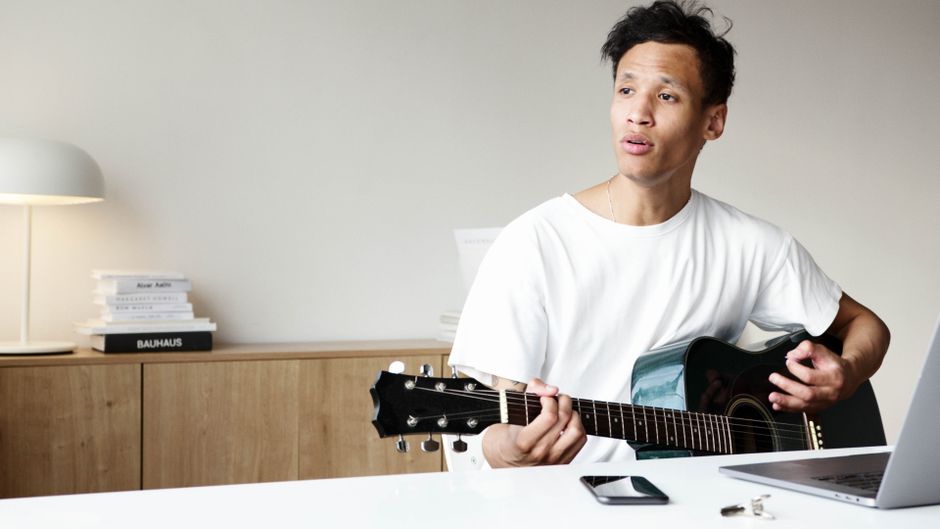

What is a “micro-practice” routine, and why is it trending in music & lifestyle?
A micro-practice routine is a deliberately short, high-focus practice block—typically 10–25 minutes—designed to build musical skill consistently without requiring long, exhausting sessions. It’s trending because it matches modern schedules (hybrid work, caregiving, side hustles) while still delivering measurable progress through consistency and smarter practice design.
In lifestyle terms, micro-practice borrows from habit science and athletic training: small doses performed frequently can outperform occasional marathons. In music terms, it forces clarity: you pick one goal, one measurable target, and one stopping point. That structure reduces decision fatigue and makes it easier to practice even on low-motivation days.
Who is micro-practice best for (and who might not benefit as much)?
Micro-practice is ideal if you:
- Have inconsistent time (travel, rotating shifts, parenting).
- Get overwhelmed by long sessions and avoid starting.
- Want progress on specific skills (timing, ear training, vocal control, chord transitions).
- Are returning to music after a long break and need a low-friction restart.
You may need longer blocks if you:
- Are preparing for a high-stakes performance that requires full run-through stamina.
- Play music that demands extended endurance (e.g., two-hour gigs) and you’re not conditioning for it elsewhere.
- Need deep work for arranging, mixing, or composing—though micro-sessions can still support these via focused tasks.
Even if you do need longer sessions sometimes, micro-practice remains useful as your “minimum viable habit” on busy days.
How do I build a 20-minute micro-practice session that actually works?
A strong 20-minute micro-practice has three parts: prime, target, and proof. Each part is short and intentional.
- Prime (3 minutes): Warm up one mechanism: fingers, breath, or ears. Keep it easy and rhythmic.
- Target (14 minutes): One skill, one constraint, one metric (tempo, accuracy, takes, or time).
- Proof (3 minutes): Record a 30–60 second “receipt” (audio/video) or write a one-sentence log: what improved, what’s next.
Example for guitar: Prime = chromatic warm-up at 70 BPM. Target = cleanly switch between G–D–Em–C for 8 cycles at 80 BPM without stopping. Proof = record 45 seconds and note where it buzzed.
Example for vocals: Prime = lip trills and gentle sirens. Target = sing the chorus at 3 volume levels (soft/medium/performance) while staying on pitch. Proof = record and rate pitch stability 1–5.
What’s the “one metric” rule, and why does it prevent burnout?
The one metric rule means you track one variable per session—tempo, accuracy, repetitions, or consistency—rather than trying to fix everything at once. Burnout often comes from vague goals (“get better”) and mental overload (“timing, tone, phrasing, confidence, memorization… today!”). One metric creates a clear win condition.
Practical metrics you can use immediately:
- Tempo: “Play it clean at 92 BPM.”
- Accuracy: “8/10 clean takes.”
- Continuity: “No stops for 60 seconds.”
- Ear wins: “Identify I–V–vi–IV by ear 10 times.”
Micro-practice becomes sustainable because you stop the moment you’ve “earned the win,” not when you’re exhausted.
How can I use micro-practice to improve my ear—without feeling like I’m in music school?
Ear training is one of the highest lifestyle-to-skill return investments because it improves your ability to learn songs quickly, jam confidently, and sing/play in tune. To keep it casual and practical, anchor ear training to real music you already like.
Try this 20-minute ear micro-session (no special gear needed):
- 3 minutes: Hum a single comfortable note, then match it on your instrument or a tuning app.
- 10 minutes: Pick a chorus you know well. Find the home note (tonic) by humming along and checking on your instrument.
- 4 minutes: Identify whether the chorus feels major or minor. Write down your guess.
- 3 minutes: Record yourself singing the first line a cappella, then compare to the original.
Actionable tip: Choose songs with clear melodies and stable keys. If you want an ongoing source of what people are listening to right now, browsing charts and emerging tracks on Billboard can help you pick culturally relevant material that keeps practice enjoyable.
Can micro-practice help with songwriting, or is it only for technique?
Micro-practice is excellent for songwriting because creativity often benefits from constraints. The trick is to define the output before you start.
Three micro-practice prompts that produce real material:
- The 8-bar capture: Write 8 bars of chords + a topline melody. No perfection—just completion.
- Title-first sprint: Pick a title, write 10 related phrases, then build a chorus from the best 2–3 lines.
- Rhythm-only draft: Write lyrics as rhythm and vowel sounds first; refine words later.
Real-world workflow example: Many creators keep a notes app full of titles and hooks, then use short daily sessions to develop one fragment. Over a month, that’s 20–25 drafts—more than most people finish in a year when they wait for “inspiration.”
How do I stack micro-practice into my lifestyle (morning routine, workouts, commuting)?
The easiest way to make micro-practice permanent is to attach it to an existing routine. This reduces reliance on motivation.
- Morning anchor: Practice immediately after coffee/tea. Same chair, same setup, same 20-minute timer.
- Post-work decompression: Use music as a transition ritual—one micro-session before checking messages or chores.
- Workout pairing: Do a 10-minute rhythmic drill (metronome claps, vocal breath control) after mobility work.
- Commute option: If you can’t play, do “silent practice”: lyric memorization, rhythmic counting, interval recognition apps, or mental run-throughs.
Actionable tip: Keep your instrument accessible. If setup takes 10 minutes, a 20-minute session becomes a 30-minute chore. A stand in the living room can be the difference between “daily” and “never.”
What are the most common mistakes people make with micro-practice?
- They cram too much in: Micro-practice isn’t a mini version of a full rehearsal. It’s one target per session.
- They avoid recording: Proof (even 30 seconds) accelerates feedback and reduces “I’m not improving” anxiety.
- They always play at full speed: Skill builds fastest at the edge of control—slow enough to be accurate, fast enough to be challenging.
- They never review: Without a weekly check-in, you repeat comfortable tasks. A 10-minute weekly review keeps you honest.
How do I know if I’m progressing with only 20 minutes a day?
Progress in micro-practice shows up as cleaner consistency rather than dramatic overnight jumps. Use a simple 3-layer tracking method:
- Daily: One sentence log (what was the target + your metric result).
- Weekly: One “baseline recording” of the same exercise or song section.
- Monthly: One performance-style run-through (even if it’s just for your camera).
Data point to watch: If your baseline recording at the end of the month is cleaner at the same tempo—or the same cleanliness at a higher tempo—you’re improving. If not, you likely need either (1) more specific targets, or (2) slightly longer blocks 1–2 times per week.
What’s a realistic 4-week micro-practice plan for someone with a full schedule?
Here’s a practical structure that fits most instruments and voices. It assumes 5 days/week, 20 minutes/day.
- Week 1 (Stability): One technique target + one easy song section. Goal: consistency and routine.
- Week 2 (Control): Add a metronome or backing track. Goal: timing and clean transitions.
- Week 3 (Expression): Add dynamics/articulation phrasing. Goal: musicality, not just correctness.
- Week 4 (Performance): Record 2–3 “takes” twice this week. Goal: reduce red-light anxiety and lock in gains.
Actionable tip: Keep one day as “maintenance only”—a lighter session to protect your lifestyle balance. Sustainability beats intensity.
Conclusion: Why micro-practice is a lifestyle upgrade, not just a music hack
Micro-practice works because it respects real life while still honoring your creative identity. A consistent 20-minute routine builds skill, reduces stress, and keeps music integrated into your day instead of competing with it. If you commit to one target, one metric, and one proof each session, you’ll create a feedback loop that makes progress visible—and that visibility is what keeps momentum alive.
Start today with a single 20-minute block. Pick one skill, set a timer, record your proof, and stop while it still feels good. That’s how music becomes a sustainable part of your lifestyle.