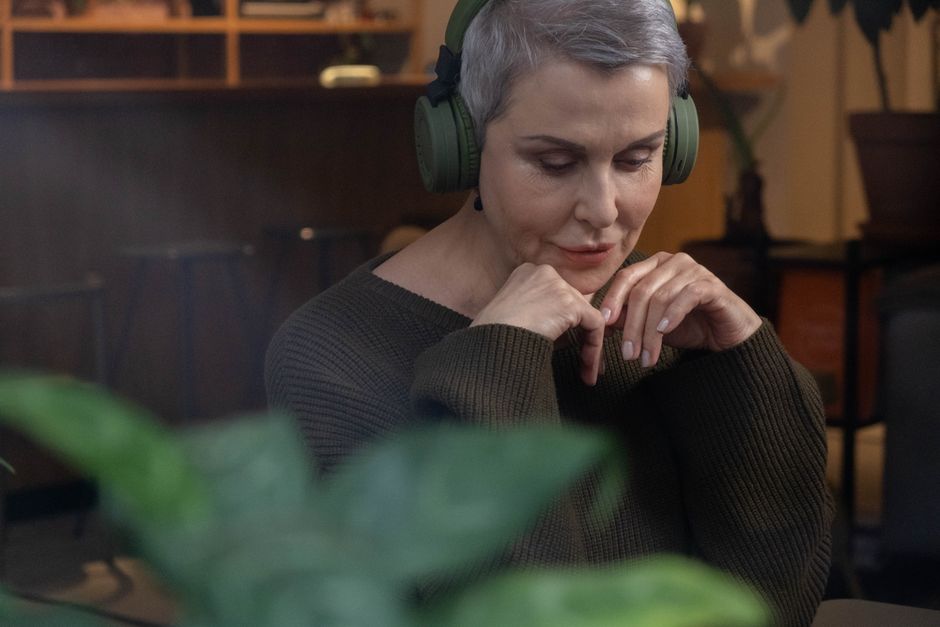

Why “third-place listening” is trending (and why it matters)
Between remote work, algorithmic feeds, and rising screen time, a lot of people are craving something that feels both social and grounded. That’s where “third places” come in: locations that aren’t home (first place) or work (second place) but still shape identity and community—cafés, parks, record stores, public libraries, even certain transit routes. When you pair music with third places intentionally, you get more than background sound. You get ritual, memory anchors, and a lifestyle that feels curated rather than consumed.
Below are nine specific, non-generic third-place listening rituals you can build this week. Each one includes practical steps, gear or setup tips, and measurable ways to make it stick.
9 Third-Place Listening Rituals to Upgrade Your Music & Lifestyle
1) The “Record Store Recon”: Make one new local shop your monthly listening lab
Instead of scrolling for recommendations, let a physical store shape your taste. Record stores are one of the few remaining music spaces where discovery is tactile, social, and not optimized for ad impressions.
- How to do it: Pick one shop and go once a month at a consistent time (e.g., first Saturday at 11 a.m.). Spend 30 minutes browsing a genre you don’t usually play.
- Actionable rule: Buy one item only—vinyl, a CD, a zine, or even a used compilation. A small budget forces discernment.
- Real-world tip: Ask staff for “one album that’s underrated but influential.” Write the recommendation in a notes app with the date and store name—this becomes a personal music map over time.
Bonus: Use music journalism for context when you want to go deeper. For reviews, scene reporting, and informed criticism that can help you understand an artist’s place in culture, browse Pitchfork’s music coverage and compare it with what your local shop highlights.
2) The “Library Hi-Fi Hour”: Use public spaces to train your ears
Public libraries are quietly becoming lifestyle hubs—calm, low-cost, and designed for focus. They’re also perfect for intentional listening sessions where you build attention span and appreciation for details.
- How to do it: Reserve a quiet corner (or a study room if available) and schedule a weekly 45–60 minute session.
- What to listen for: Pick one album and listen end-to-end—no skipping. On the second play, focus on one element (bass lines, background vocals, reverb choices, drum tone).
- Minimal gear: A wired pair of headphones can reduce distractions and avoids battery anxiety. If you use noise-canceling, try turning it off once in a while to test how much you rely on it.
Make it measurable: Keep a “one-sentence review” habit. After each session, write a single sentence describing what changed between track 1 and the final track.
3) The “Transit Soundtrack Experiment”: Build a route-based playlist that changes your mood on command
Commutes can feel like dead time—or they can become a reliable mood reset. The key is pairing music with a repeatable route so your brain associates specific sounds with transitions.
- How to do it: Create two 18–25 minute playlists: one for “ramp-up” (energy/focus) and one for “ramp-down” (decompression).
- Rule of thumb: Match playlist length to your most common route. If your commute is 22 minutes, keep it around that number so it ends when you arrive.
- Real-world example: If you take the same subway line daily, use the first three minutes for steady tempo (90–110 BPM), the middle for peak energy, and the final three minutes for a calmer landing so you don’t walk into your destination overstimulated.
Data point you can track: Rate your stress from 1–10 before and after the commute for a week. If the average drops by even 1 point, the ritual is working.
4) The “Café Deep Cut Swap”: Turn casual hangouts into micro-curation sessions
Instead of sending links into the void, make sharing music a small, repeatable social ritual. This works especially well with one or two friends who don’t need the same tastes as you.
- How to do it: Meet at a café once every two weeks. Each person brings three tracks: one “deep cut,” one “guilty pleasure,” and one “new release.”
- Format: Don’t play full songs—play 60–90 seconds each and explain why it matters. Short segments keep it lively and prevent one person from dominating the session.
- Result: You build a living archive of taste and strengthen friendships through story, not just streaming.
Actionable tip: At the end, agree on one track to add to a shared playlist titled with the date and café name. After a year, you’ll have a musical timeline of your life.
5) The “Park Bench Listening Walk”: A two-part ritual for creativity and calm
Many people either walk with podcasts (information mode) or with random shuffle (passive mode). This ritual uses two phases—movement and stillness—to create a mini reset.
- How to do it: Choose a park loop you can repeat. Walk for 15–20 minutes with a rhythmic album (electronic, funk, post-punk—anything with consistent motion). Then sit for 10 minutes and switch to something spacious (ambient, acoustic, slow jazz).
- Why it works: The contrast teaches your nervous system to downshift. Over time, your brain starts treating the bench as a “calm anchor.”
- Safety tip: Keep volume low enough to hear cyclists, runners, and traffic—especially at crossings.
Make it creative: During the bench portion, open your notes app and write three lines: a lyric you caught, a feeling it sparked, and one action you’ll take next (text someone, plan dinner, finish a task).
6) The “Museum Mode Playlist”: Soundtrack your attention, not the art
Galleries and museums already encourage slow looking. Done thoughtfully, music can help you stay present—without turning the experience into a highlight reel.
- How to do it: Create a playlist that is low-lyric or lyric-light so you don’t split attention. Instrumental hip-hop, modern classical, ambient, or minimal jazz works well.
- Timing tip: Use a 35–45 minute playlist so you naturally take breaks and reorient to the space.
- Behavioral rule: One room, one track. When the track changes, move to the next area. It prevents rushing and gives structure.
Outcome: You’ll remember the day as a cohesive “scene,” not a blur of exhibits.
7) The “Gym Tempo Ladder”: Replace random hype tracks with performance programming
Most workout playlists are just high energy. A better approach is tempo programming: using BPM and intensity as a ladder that supports warm-up, peak effort, and recovery.
- How to do it: Build a 30–50 minute set with three blocks: warm-up (100–120 BPM), work (125–150 BPM), cooldown (80–105 BPM).
- Real-world example: For a 40-minute session, try 10 minutes warm-up, 20 minutes work, 10 minutes cooldown. If you do intervals, assign one track per interval so the song becomes your timer.
- Actionable cue: Choose one “peak” track you reserve only for your hardest set. Limiting it preserves motivational power.
Track your results: Note your perceived exertion (1–10) and compare it to output (reps, distance, pace). The right playlist often lowers perceived exertion at the same output.
8) The “Dinner Service Sound Design”: Curate your home like a small restaurant
Food and music shape each other. A simple change in soundtrack can make a weeknight dinner feel like an event—and can help you eat slower and enjoy more.
- How to do it: Create three “services”: prep, dinner, and cleanup. Each gets its own sound.
- Suggested vibes:
- Prep: upbeat, rhythmic music (keeps momentum and timing).
- Dinner: mid-tempo, warm tonal palette (encourages conversation).
- Cleanup: energetic or nostalgic tracks (turns chores into closure).
- Practical tip: Keep dinner music 10–15% quieter than you think. If people have to compete with the speakers, the ritual fails.
Example ritual: Every Friday, make one “new cuisine” meal and pair it with a region-adjacent listening choice—not as a stereotype, but as a respectful exploration (e.g., modern city pop with a Japanese-inspired dish, contemporary Afrobeat with West African flavors).
9) The “Sunday Reset Listening Audit”: A 20-minute habit that prevents algorithm drift
Even if you love streaming, algorithms tend to narrow your inputs over time. A weekly audit keeps your listening life intentional and prevents the “same 40 songs forever” effect.
- How to do it: Every Sunday, spend 20 minutes with three steps: (1) save one new artist, (2) unfollow or hide one thing you’ve outgrown, (3) make a 10-song “next week” playlist.
- Actionable filter: If you skipped a track three times in the last week, it doesn’t belong in your daily rotation. Remove it without guilt.
- Real-world outcome: You’ll feel less overwhelmed because your options are curated before the week starts.
Make it social: Trade your 10-song “next week” playlist with a friend. One swap a month can outperform endless scrolling.
Conclusion: Make music a place you return to—not just something you press play on
Third-place listening isn’t about being trendy or acting like a critic. It’s about designing small environments and routines where music does what it does best: create identity, connection, memory, and momentum. Try two rituals from this list for the next two weeks—one solo and one social—and track what changes: your mood, attention span, and sense of discovery. When your listening becomes a lifestyle practice, you don’t just “keep up” with music. You build a life that sounds like you.