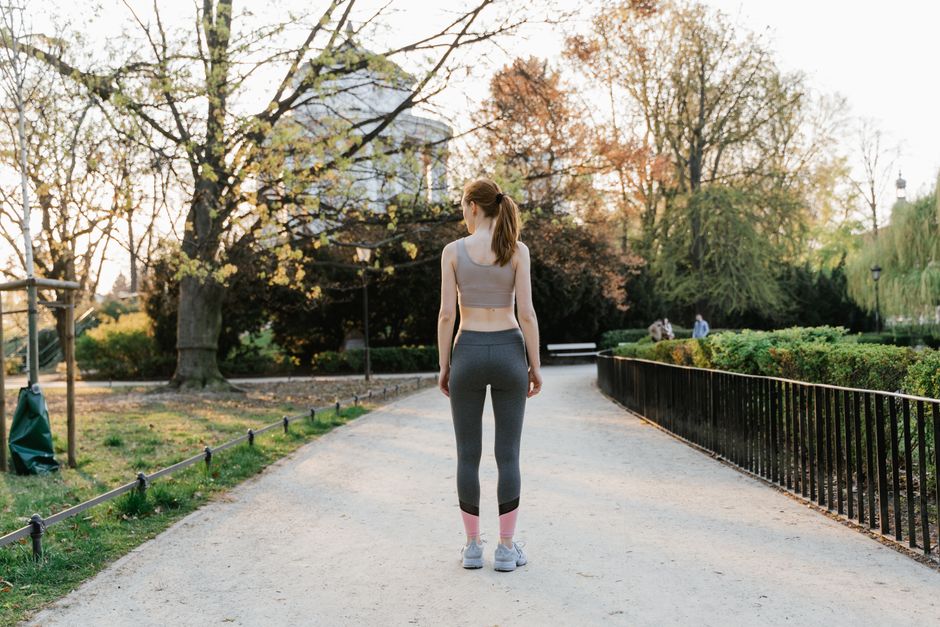

Why “Light Hygiene” Is the Missing Piece in Modern Wellness
Most wellness routines focus on food, movement, and stress reduction—but overlook the invisible factor that quietly shapes all three: light. The timing, intensity, and type of light you’re exposed to throughout the day acts like a master switch for your circadian rhythm (your internal 24-hour clock). When your clock is aligned, sleep tends to deepen, daytime energy stabilizes, cravings become easier to manage, and focus improves. When it’s misaligned—think late-night scrolling under bright LEDs, dim indoor days, or irregular schedules—your body receives confusing signals.
This guide walks you through a practical, step-by-step “light hygiene” routine you can implement in any home or workplace. It’s specific, measurable, and designed to fit real life—including shift work, office jobs, and busy families.
For background on sleep health and why it matters, the World Health Organization provides broader public health context and resources on sleep and well-being at the World Health Organization website.
Step-by-Step: How to Create a Light Hygiene Routine
1) Run a 3-Day “Light Audit” (5 Minutes Per Day)
Before changing anything, collect quick data. For three days, jot down:
- What time you first see bright light (outdoors or strong indoor lighting)
- How much time you spend outdoors (even in shade)
- When you’re under intense overhead lighting at night
- When you use screens in the final 2 hours before bed
- Your approximate bedtime and wake time
Real-world example: Many people discover they’re getting less than 10 minutes of outdoor light in the morning, then spending 8–10 hours under dim indoor lighting, then blasting themselves with bright screens at night. That pattern is common—and very fixable.
2) Set a Consistent “Anchor Wake Time” (Even If Bedtime Varies)
If you can only lock in one time, choose your wake time. A consistent wake time helps stabilize your circadian rhythm and makes it easier to feel sleepy at a predictable hour.
- Pick a wake time you can keep within a 30–60 minute window most days.
- If your schedule varies, choose the earliest wake time you need during the week and stay close to it.
Actionable tip: If you currently sleep in 2–3 hours on weekends, try reducing the “sleep-in gap” by 30 minutes each weekend until it’s within 60 minutes of your weekday wake time.
3) Get Outdoor Light Within 60 Minutes of Waking (10–20 Minutes)
Morning daylight is the strongest signal for setting your internal clock. Aim to get outdoors—balcony, porch, quick walk, or just standing outside with your coffee—within the first hour of waking.
- Target: 10–20 minutes on most days.
- On very cloudy days: consider 20–30 minutes.
- Wear your normal glasses if needed; avoid looking directly at the sun.
Real-world example: If you commute, park a little farther away and walk the last 10 minutes. If you have kids, turn the first dog walk or school drop-off into your light exposure habit.
4) Pair Light With Gentle Movement to “Lock In” the Signal
Light plus movement is a powerful combination for alertness and rhythm-setting.
- Do a 5–10 minute walk outside.
- Or try a short mobility routine near a window once you’ve gotten daylight exposure.
Actionable tip: If you struggle with morning grogginess, keep the habit tiny: step outside for 3 minutes. Consistency beats intensity.
5) Upgrade Your Daytime Lighting (Especially 9 a.m. to 3 p.m.)
Many offices and homes are dim compared to natural daylight. If you work indoors, you can still nudge your biology in the right direction:
- Sit near a window when possible.
- Take two “light breaks”: 5 minutes outside late morning and mid-afternoon.
- Use brighter, cooler lighting earlier in the day (think “daylight” bulbs in work areas).
Data point to guide you: Outdoor daylight can be thousands of lux even on overcast days, while typical indoor lighting may be only a few hundred lux. Translation: a short outdoor break can outperform hours indoors.
6) Create a “Dusk Buffer”: Start Dimming 2–3 Hours Before Bed
Your body expects light to fade in the evening. You can mimic that, even in a city apartment.
- Dim overhead lights after dinner.
- Switch to warm lamps in the evening (lower brightness, warmer color temperature).
- Avoid bright ceiling LEDs in bathrooms and kitchens late at night if possible.
Real-world example: If your home has harsh overhead lights, use plug-in lamps and reserve overhead lighting for daytime only.
7) Set a “Screen Curfew” You’ll Actually Keep (Start With 30 Minutes)
Instead of aiming for a perfect 2-hour screen-free evening (which often fails), begin with a realistic curfew.
- Start with 30 minutes screen-free before bed for one week.
- Then increase to 45–60 minutes if sleep improves.
- Use a physical cue: charge your phone outside the bedroom.
Actionable tip: If you must use screens, lower brightness, use warm color settings/night mode, and keep screens farther from your face.
8) Use “Low-Light Defaults” for Nighttime Tasks
If you wake up at night, protect your sleep drive by keeping the environment dim.
- Install a low-lumen nightlight in the hallway/bathroom.
- Avoid turning on bright overhead lights.
- Keep a small, warm bedside lamp if you read.
Real-world example: Parents doing nighttime childcare can keep a warm, dim lamp for feeds/diapers rather than flipping on the full room light.
9) Build a “Light-Smart Bedroom” (Dark, Cool, and Predictable)
Your bedroom should signal “night” consistently.
- Block streetlight with blackout curtains or a comfortable sleep mask.
- Eliminate LED indicators (or cover them).
- Keep the room slightly cool and quiet (or use a fan/white noise if needed).
Actionable tip: If you live in a bright neighborhood, a $10 sleep mask can be a faster win than redoing curtains.
10) Handle Travel, Shift Work, and Late Nights With a Simple “Reset Protocol”
Life will disrupt your routine. The goal is not perfection—it’s recovery.
- After a late night: Keep your wake time as close as possible to normal. Get outdoor light early. Take a short nap (20–30 minutes) before 3 p.m. if needed.
- After travel: Get daylight at the local morning time as soon as you can. Eat meals on local time to reinforce the new schedule.
- Shift work: Use bright light during the first half of your shift, then reduce exposure toward the end. Wear sunglasses on the commute home if it’s daylight and you’re heading to sleep.
Real-world example: A nurse on a night shift can treat the first half of the shift as “daytime” (brighter light, more alerting tasks), then transition to “evening” in the final hours (dimmer environment, reduced screen brightness), then protect sleep with blackout curtains.
Optional: A 7-Day Light Hygiene Starter Plan
If you want structure, try this one-week ramp-up:
- Days 1–2: 10 minutes outside within 60 minutes of waking.
- Days 3–4: Add a 5-minute outdoor light break midday.
- Day 5: Dim overhead lights after dinner.
- Day 6: Add a 30-minute screen curfew before bed.
- Day 7: Make the bedroom darker (mask/blackout) and remove obvious LEDs.
Conclusion: Treat Light Like Nutrition for Your Nervous System
Light hygiene is one of the most underused, high-impact wellness levers because it’s both simple and foundational. By getting bright outdoor light early, keeping daytime environments brighter, and deliberately dimming evenings, you help your body understand when to be alert and when to recover. Start with one or two steps that fit your life, then build momentum. Within a couple of weeks, many people notice more consistent sleep timing, steadier daytime energy, and fewer “wired but tired” nights.
If you want the biggest payoff with the least complexity: get outdoor light in the first hour after waking and dim your environment in the last two hours before bed. Everything else is an upgrade.