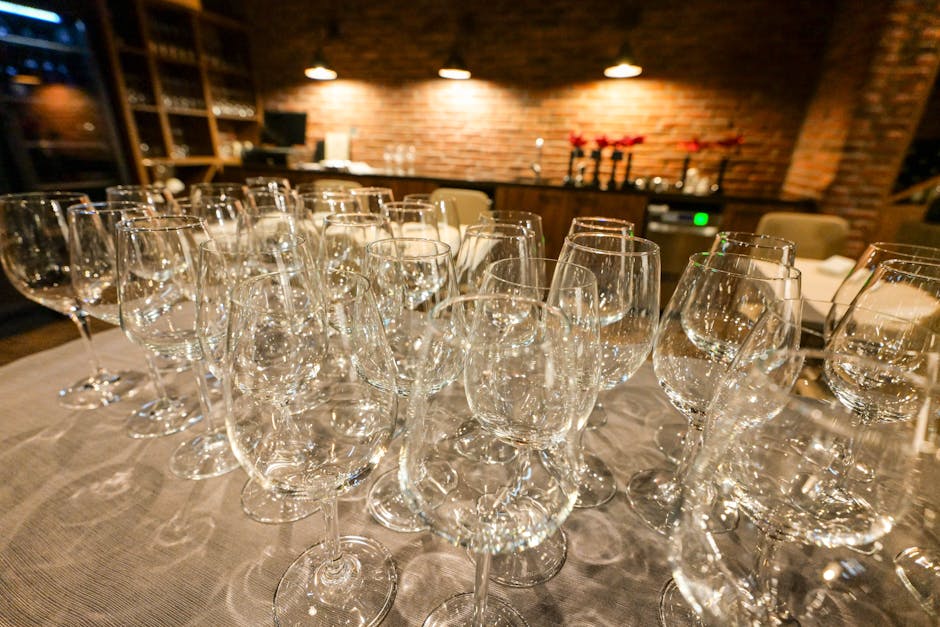

Wine bars occupy a special place in modern hospitality: they’re relaxed enough for spontaneous drop-ins, yet refined enough to anchor a premium night out. In destination towns—where visitors arrive expecting standout experiences—wine service becomes more than a menu; it becomes a story of place, people, and discovery. Whether you run a hotel, restaurant, or small venue, designing a wine bar experience that feels intentional can increase dwell time, lift average spend, and drive the kind of word-of-mouth that travel markets depend on.
This guide breaks down the elements that separate an “okay” wine stop from a venue guests remember, recommend, and revisit—from atmosphere and staff confidence to wine list structure and local partnerships.
Why wine bars perform so well in hospitality-driven markets
Wine bars naturally align with what many travelers want: an easy entry point to local culture without a heavy time commitment. Guests can taste a region in a single evening, learn something new, and pair drinks with shareable plates rather than committing to a full multi-course meal.
For operators, wine bars offer:
- Flexible revenue windows (early evening aperitif crowd, late-night nightcap crowd, post-dinner walk-ins)
- High-margin opportunities through premium pours, flights, and pairing experiences
- Cross-selling potential with nearby accommodation, experiences, and events
- Repeatability—seasonal lists and rotating features give guests a reason to come back
Start with a clear identity: “What are we known for?”
Before selecting bottles or designing a happy hour, clarify the promise. Guests should be able to describe your concept in one sentence. Examples:
- Local and regional wines first, with a few international benchmarks
- Small-producer focus with a rotating by-the-glass selection
- Champagne and sparkling specialists
- Food-forward wine bar: pairing-led list with a chef-driven menu
In destination settings, identity matters even more because travelers have limited nights and abundant choices. A defined concept helps your venue stand out in search results, on concierge recommendations, and in casual “Where should we go?” conversations.
Design the atmosphere for comfort, not just aesthetics
Great wine bars look good, but the best ones feel good. The goal is to keep guests comfortable enough to linger—because time spent is often correlated with additional pours, plates, and return visits.
Key environment elements to get right
- Lighting: Warm, dimmable lighting that flatters people and food; avoid harsh overhead brightness.
- Seating mix: A balance of bar seats, small tables, and a few “stay awhile” options (booths or lounge seating).
- Acoustics: Soft surfaces, panels, or design elements that reduce echo; guests should be able to talk without shouting.
- Service visibility: Guests love seeing bottles, glassware, and the ritual of pouring—keep some theatre in the experience.
Destination guests are often dressing up and taking photos. A polished environment supports social sharing while still feeling welcoming to walk-ins.
Build a wine list that guides decisions quickly
Travelers typically don’t want to decode a 12-page list after a long day. They want confidence. Your list should be easy to navigate, with just enough personality to feel curated.
Simple ways to structure a traveler-friendly list
- By style: Crisp & fresh, aromatic, rich & textured, light & bright reds, bold reds, sweet/fortified.
- By region: Local (featured), national, international classics.
- By mood or moment: Après-ski, sunset, celebration, food pairing, “something new.”
Consider a short “staff picks” section. It gives guests permission to choose quickly and creates a natural entry point for conversation.
Make by-the-glass the hero
By-the-glass offerings are your conversion engine—especially for visitors who want to sample without committing to a full bottle. Aim for variety across styles and price points, and keep the rotation frequent enough that locals stay interested.
When executed well, a destination venue can become a must-visit—like a Queenstown Wine Bar that serves as an easy, reliable recommendation for visitors seeking a quality pour and a welcoming atmosphere.
Pairing strategy: small plates that match how people actually drink
Wine bars thrive when food supports the pace of drinking. Think shareable, adaptable, and fast—without compromising quality.
Strong wine bar menu components
- Cheese and charcuterie: Offer a few sizes and clear pairing notes.
- Vegetable-forward bites: Great for dietary inclusivity and freshness.
- One or two “anchor” hot dishes: Something comforting that travels well from kitchen to table.
- Seasonal specials: Keep regulars curious and give staff new stories to tell.
Make pairing effortless by using simple prompts on the menu like “try with: Grüner Veltliner” or “pairs well with Pinot Noir.” Guests love feeling guided without being sold to.
Service that feels confident, not intimidating
Hospitality is the differentiator guests remember. In wine-focused venues, the risk is that expertise can accidentally come across as exclusivity. The best teams are knowledgeable, curious, and approachable.
Train for moments that matter
- The first 30 seconds: A friendly welcome and a quick read of what the guest wants (quiet drink vs. celebration vs. recommendations).
- Two-question recommendation: “Do you prefer crisp or rich?” and “Do you like fruit-forward or more savory?”
- Taste-first approach: Offer a small taste when appropriate; it reduces decision anxiety and boosts satisfaction.
- Storytelling: One short, memorable fact about a wine or producer is usually enough.
In a destination market, guests often arrive from different wine cultures and price expectations. A calm, judgment-free approach helps every guest feel like they belong.
Local partnerships that elevate the experience
Wine bars in hospitality hubs can become connectors—linking visitors to the region through tastings, meet-the-winemaker nights, or collaborations with local producers.
Partnership ideas that work
- Winery spotlight weeks: Feature a producer across flights, glass pours, and pairings.
- Concierge and front-desk relationships: Provide a concise “what to order” card and a booking-friendly system.
- Event tie-ins: Align specials with festivals, conferences, or seasonal peaks.
- Cross-promotions: Work with tour operators or accommodation partners for referral loops.
The goal isn’t to be everything to everyone; it’s to be a trusted stop on the visitor’s itinerary—an experience that feels distinctly local and easy to enjoy.
Operational details that protect the guest experience
Even the best concept falls apart if execution is inconsistent. Wine bars have specific operational pressure points: glassware, storage, temperature control, and pacing.
Practical standards to implement
- Temperature discipline: Serve whites and sparkling properly chilled; avoid warm reds that feel heavy.
- Glassware readiness: Enough clean glasses to handle peaks without switching styles mid-service.
- Preservation systems: Coravin or gas systems can expand premium by-the-glass options and reduce waste.
- Clear booking/walk-in balance: Hold a portion of seating for walk-ins if you rely on foot traffic.
Small improvements—like consistent pour sizes and fast table resets—often translate into measurable revenue without compromising the relaxed vibe guests expect.
Marketing a wine bar in a destination setting
Travelers discover venues differently than locals. They search quickly, rely heavily on reviews, and prioritize convenience. Your digital presence should make it easy to decide “yes” in under a minute.
Focus areas for visibility and conversion
- Accurate listings: Updated hours, clear location details, and current menus on your website and listings.
- Review strategy: Encourage feedback at peak satisfaction moments (after a great pairing or a staff recommendation).
- Signature experiences: Promote flights, tasting paddles, or curated “regional discovery” sets.
- Seasonal hooks: Après-ski, summer terrace pours, harvest features—give travelers a timely reason to visit.
Most importantly, keep the message consistent with your identity. Guests feel disappointed when expectations don’t match reality—and in hospitality, the fastest way to lose trust is inconsistency.
FAQ
What makes a wine bar “destination-worthy” for travelers?
A clear concept, approachable service, an easy-to-navigate list, and a comfortable atmosphere. Travelers also value local stories—regional wines, seasonal ingredients, and knowledgeable staff who can guide choices quickly.
How many wines should a by-the-glass list include?
Enough to cover key styles and price points without overwhelming guests. Many successful venues aim for a focused selection that rotates frequently, supported by preservation systems to maintain quality.
Should a wine bar prioritize local wines or international classics?
A balanced approach works well: lead with local and regional wines (especially in tourism markets) and include a few recognizable international benchmarks to support hesitant or conservative drinkers.
What food options work best for a wine bar?
Shareable plates that match varied drinking speeds—cheese, charcuterie, seasonal vegetables, and one or two standout hot dishes. Pairing cues on the menu can improve decision-making and increase sales.
How can hospitality businesses increase repeat visits?
Rotate features, run tasting events, keep staff picks fresh, and build partnerships with local producers and accommodation providers. Consistency in service and quality is what turns a one-time visit into a habit.