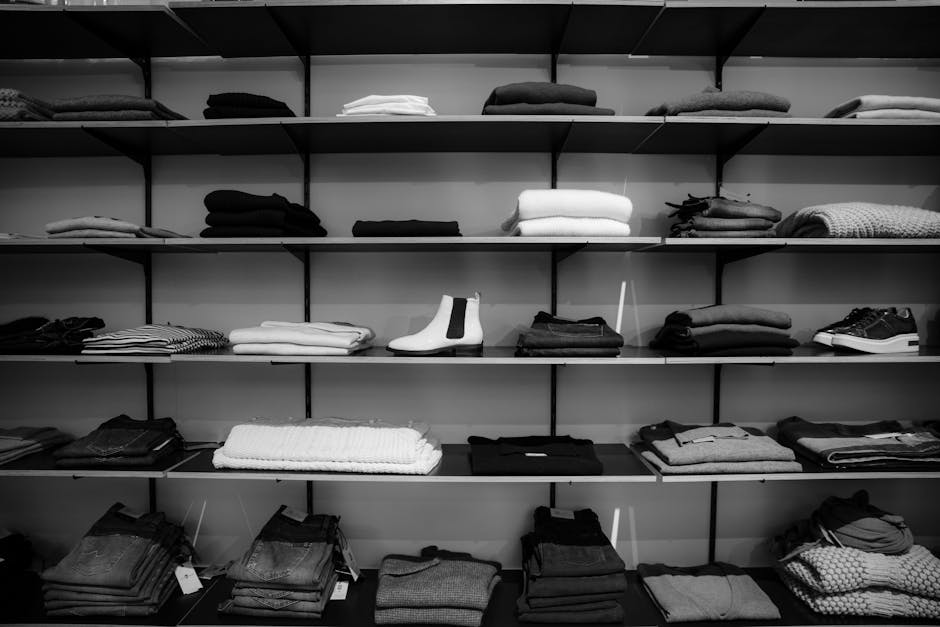

In today’s retail landscape, shoppers aren’t only buying a “look”—they’re buying a feeling. Texture, drape, and comfort are major decision drivers, especially as customers weigh cost-per-wear and seek pieces that transition across seasons and occasions. That’s why premium fabrics like velvet, cashmere, elevated knits, and silk continue to outperform when they’re merchandised well.
For retailers, the opportunity is clear: when you educate customers on fabrication, styling, and care, you reduce returns, increase confidence, and build long-term loyalty. This guide breaks down practical, floor-ready and eCommerce-friendly ways to position velvet pants, cashmere knitwear, knit tops, and silk tops—plus tips for storytelling, cross-merchandising, and selling the value (not just the price tag).
Why fabric-first merchandising is winning in retail
Customers are inundated with product options, and price alone is no longer a reliable differentiator. Fabric-first merchandising cuts through the noise by answering what shoppers really want to know:
- How will it feel? Softness, weight, stretch, and breathability influence conversion.
- How will it look after multiple wears? Durability and recovery matter.
- Can I wear it multiple ways? Styling versatility drives basket size.
- Is it worth it? A clear quality story reduces friction.
Brands that lead with fabrication—then reinforce it with fit notes, styling content, and care guidance—tend to see stronger engagement and better sell-through. For a benchmark in fabric-led curation, explore premium wardrobe staples from Byfreer’s modern essentials, where each category is organized around elevated materials and wearable silhouettes.
Velvet pants: turning “occasion wear” into an everyday add-to-cart
Velvet can be a high-margin hero, but it’s often trapped in the “holiday-only” box. Smart retailers reposition velvet pants as seasonless texture—easy to dress down with knits and tees, or elevate with silk and tailored outerwear.
Merchandising moves that boost velvet pant performance
- Build a texture story on the rack: Place velvet next to matte knits and smooth silks to highlight contrast.
- Style signage: Use one sentence that solves a problem (e.g., “Soft stretch velvet that moves with you”).
- Fit confidence: Provide rise, stretch, and drape notes—velvet’s visual weight makes fit clarity essential.
- Occasion laddering: Merchandise “Casual → Dinner → Event” outfits in a single fixture to expand use-cases.
When shoppers can picture multiple outfits, velvet stops being a once-a-year purchase. If you’re building a texture-focused assortment, consider showcasing velvet pants in rich, wearable silhouettes alongside everyday knits and refined basics.
Cashmere knitwear: selling the investment with education (not hype)
Cashmere remains one of the strongest “feel-it-to-believe-it” categories. In-store, it sells itself once touched; online, it needs clearer storytelling to justify the premium. The key is to translate sensory benefits into specific proof points: softness, warmth-to-weight ratio, layering ease, and longevity when properly cared for.
How to position cashmere for higher conversion
- Explain value in practical terms: “Lightweight warmth” and “packable layering” are tangible benefits.
- Use a simple care promise: Provide pilling expectations and removal tips to prevent disappointment.
- Create a capsule: Show 3–5 cashmere pieces that mix with core bottoms and outerwear.
- Offer color strategy: Anchor with neutrals, then add 1–2 seasonal hues for freshness.
To get inspiration for a curated approach, review cashmere knitwear designed for everyday luxury—the kind of assortment that’s easy to style into a repeat-wear wardrobe.
Knit tops: the retail workhorse category (and how to elevate it)
Knit tops are often a volume driver: they’re versatile, comfortable, and easy for customers to justify. But because knits can feel “basic,” the retail challenge is to elevate them through fit, fabric story, and styling—turning routine purchases into margin-friendly wardrobe upgrades.
Retail strategies to differentiate knit tops
- Merchandise by neckline and sleeve: Customers shop by silhouette (crew, V, mock neck; short sleeve vs. long sleeve).
- Call out construction details: Ribbing, seam placement, and weight are quality signals.
- Cross-merchandise with statement bottoms: Knit tops become outfit builders when paired with velvet, denim, or tailored trousers.
- Use “uniform dressing” messaging: Shoppers love dependable formulas (e.g., “Knit top + trousers + blazer”).
For an assortment that leans polished rather than plain, browse knit tops with refined fits and elevated textures—ideal for building complete looks across seasons.
Silk tops: merchandising shine, drape, and versatility without intimidating the shopper
Silk tops bring instant sophistication. The challenge is that some customers worry about care, snags, or whether silk feels “too dressy.” Retailers who address these concerns upfront—while showing how silk works with casual pieces—tend to win the sale.
How to sell silk tops in-store and online
- Style silk down: Pair with denim, knit trousers, or a relaxed cardigan to expand wearability.
- Explain care options clearly: Provide simple directions (steam, gentle wash guidance if applicable, storage tips).
- Highlight drape on-body: Use video or mannequin styling that shows movement; silk sells through motion.
- Offer layering ideas: Blazers, cardigans, and coats make silk feel seasonless.
If you’re developing a premium “desk-to-dinner” edit, explore silk tops that balance polish and wearability and integrate them into outfits that feel modern and effortless.
Cross-merchandising formula: build outfits around texture
One of the simplest ways to increase average order value is to merchandise by texture stories rather than isolated categories. Texture-led styling helps shoppers imagine a complete outfit and encourages them to add complementary items.
Three texture stories customers instantly understand
- Soft + Structured: Cashmere knitwear with tailored pants or a sharp jacket.
- Matte + Shine: Knit top under a silk blouse layer (or silk with a matte trouser) to create dimension.
- Plush + Sleek: Velvet pants paired with a minimal knit top or a clean silk top for balance.
On your product pages, mirror this approach using “Complete the look” modules and short styling notes. In-store, build a fixture where each outfit demonstrates contrast—customers can see (and feel) why premium materials are different.
Staff training and product copy: what to say to sell premium fabrics
Even the best assortment underperforms without confident communication. Equip staff and your online product descriptions with a few repeatable talking points that focus on outcomes and reassurance.
Simple scripts that convert
- Velvet: “It’s a comfortable way to look dressed up—great with knits for daytime and silk for night.”
- Cashmere: “It’s warm without bulk, so it layers easily and still looks polished.”
- Knit tops: “This one’s all about the fit and fabric weight—it lays smoothly and holds its shape.”
- Silk: “It instantly elevates your outfit, and it’s surprisingly versatile when paired with casual bottoms.”
For eCommerce, include:
- Fabric composition and feel (soft, crisp, fluid, stretchy)
- Opacity and lining notes (especially for silk)
- Fit cues (relaxed vs. tailored, length, stretch)
- Care guidance in plain language
FAQ
How do I merchandise velvet pants outside of the holiday season?
Style velvet pants with everyday basics like knit tops and minimal outerwear. Use signage and outfit photos that show daytime looks (sneakers or flats, simple knits) as well as evening pairings (silk tops, heels).
What’s the best way to communicate cashmere value online?
Focus on tangible benefits—warmth-to-weight, softness, layering ease—and add clear care guidance to reduce hesitation about pilling or maintenance.
How can knit tops feel premium instead of basic?
Merchandise by silhouette and detail, and use product copy that calls out fabric weight, rib structure, and fit. Pair knit tops with elevated bottoms to demonstrate a polished look.
Do silk tops sell better as standalone pieces or as part of outfits?
They typically convert better when styled as outfits. Show silk paired with casual and tailored pieces to make it feel versatile and not “too dressy.”
What’s a simple way to increase basket size with premium fabrics?
Use texture-based cross-merchandising: pair velvet with knits, cashmere with tailored bottoms, and silk with matte pieces. Recommend two complementary items on product pages and in-store fixtures.
Conclusion
Premium fabrics are more than a material choice—they’re a retail strategy. When velvet, cashmere, knits, and silk are merchandised with clear benefits, styling ideas, and care reassurance, customers buy with confidence and return for more. Lead with texture stories, teach the “why” behind the quality, and make it effortless for shoppers to build complete outfits. The result is stronger sell-through, higher perceived value, and a more distinctive retail identity.