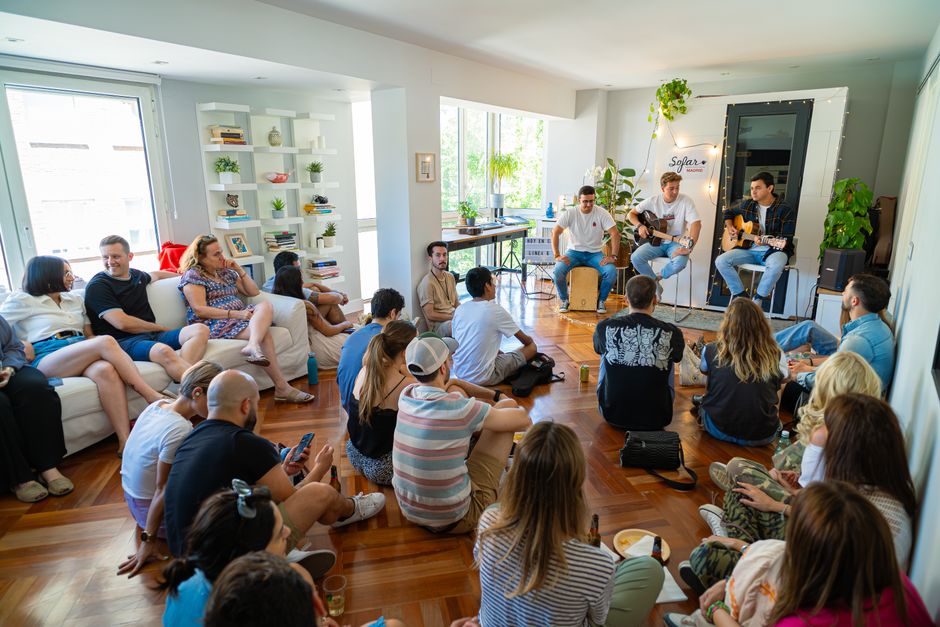

Why micro-venues are suddenly the most exciting part of live music
Stadium tours dominate headlines, but a quieter (and arguably more influential) shift is happening in basements, back rooms, listening bars, record shops after-hours, bookstores, and DIY galleries. Micro-venues—spaces that typically hold 20–200 people—are becoming cultural “neighborhood engines”: they incubate scenes, help artists tour sustainably, and offer fans a more human way to experience music.
In lifestyle terms, micro-venues also map neatly onto how many of us want to live now: more local, more social, less friction, and more memorable nights that don’t require a 2-hour commute or a $200 ticket. Below is a roundup of actionable tips, resources, and habits to help you discover micro-venues, get more out of every show, and strengthen the music ecosystem where you live.
Roundup: 15 tips and resources for thriving in the micro-venue era
1) Search by “listening room,” not just “concert venue”
Micro-venues often avoid the word “venue” entirely to stay under the radar or to fit zoning realities. Try search terms like:
- “listening room + [your city]”
- “music salon + [your city]”
- “DIY space + [your city]”
- “house show + [your city]”
- “record store live set + [your city]”
Actionable tip: Save these searches in your browser bookmarks and rerun them monthly. Small spaces appear, disappear, and rebrand frequently.
2) Use Instagram like a venue calendar (with a system)
Micro-venues live on social because it’s free and fast. Instead of passively scrolling, build a “micro-venue list”:
- Follow 10–20 local venues/spaces.
- Follow 10–20 local promoters and independent bookers.
- Turn on notifications for your top 5 so you don’t miss limited-capacity ticket drops.
Real-world practice: Many 50–100 cap rooms sell out in hours when a buzzy touring act adds a secret show, so notifications matter more than algorithms.
3) Track artists via setlists to predict intimate warm-up gigs
Artists often rehearse new material or refine sets at smaller rooms before bigger dates. If you watch setlists from recent shows and notice a pattern—new songs appearing, shorter encores, or unusual covers—you can anticipate a “trial run” show.
- Look for local warm-up announcements 3–10 days before a major nearby date.
- Watch for “no phones,” “early show,” or “underplay” language—common micro-venue signals.
4) Prioritize “weeknight culture” to beat the weekend ticket crush
Some of the best micro-venue bills happen Tuesday through Thursday because touring logistics and rent force promoters to program creative lineups on quieter nights. Weeknight shows can also be lifestyle-friendly if you plan them right.
- Choose venues with early start times (doors 7, music 8).
- Pick one “music weeknight” per month and protect it on your calendar.
- Set a hard leave time and treat it like a gym session: consistent, not overwhelming.
5) Get better sound without expensive gear: stand in the “triangle”
You don’t need audiophile equipment to improve your experience. In many micro-venues, the best mix is:
- In line with the soundboard (if there is one), or
- About 10–20 feet back from the PA speakers, centered.
Actionable tip: If vocals feel buried, move laterally a few feet—not forward. In small rooms, tiny position changes can dramatically shift what you hear.
6) Know the “two-drink minimum” economics (and how to support ethically)
Many intimate rooms survive on bar sales, especially if tickets are $10–$25. If you can, budget for one paid item (a drink, a soda, or food) even if you don’t drink alcohol.
- If you’re sober: tip well and buy a non-alcoholic drink.
- If you’re on a budget: buy merch instead of multiple drinks.
Why this matters: Bar revenue often subsidizes artist guarantees in rooms too small to rely on ticket income alone.
7) Buy merch like an investor, not a consumer
At the micro-venue level, merch can be a major part of an artist’s take-home pay. A practical approach:
- Pick one “support item” per show: a tee, a vinyl, a tape, or a poster.
- If you don’t want more stuff, ask if there’s a tip jar, QR code, or Bandcamp.
Data point to keep in mind: Typical indie touring expenses include fuel, vehicle maintenance, lodging, food, and sometimes hired musicians—so a few merch sales can meaningfully change whether a run breaks even.
8) Treat earplugs as lifestyle gear (and choose the right kind)
Micro-venues can be louder than you expect because you’re closer to drums and amps. “High-fidelity” earplugs reduce volume while preserving clarity.
- Keep a pair on your keychain.
- If you go monthly, consider musician-grade reusable earplugs.
- For frequent attendees, custom-molded plugs are a long-term comfort upgrade.
Practical test: If your ears ring after the show, you needed protection. Ringing is not a badge of honor; it’s a warning sign.
9) Use music media to discover venues indirectly
Good music journalism often mentions where artists are breaking through: tiny rooms, residencies, and DIY circuits. Reading reviews and scene coverage can lead you to the spaces that matter—even if you live elsewhere.
For curated discovery that frequently intersects with venue culture and emerging artists, browse Pitchfork’s music coverage and follow threads from an artist you like to the rooms they’re playing. It’s a surprisingly effective way to spot which micro-venues are shaping new sounds.
10) Volunteer or join membership programs (the easiest backstage pass)
Many micro-venues run on community labor: door shifts, setup, barbacking, poster runs. If you can spare a night every few months:
- Ask about volunteering for free entry.
- Join a membership tier if the venue offers one (often includes presales or guest list perks).
- Offer a skill: photography, graphic design, social media, sound engineering.
Lifestyle upside: Volunteering turns nightlife into social connection rather than pure consumption.
11) Build a “venue-first” playlist to make new genres feel approachable
If you only chase familiar genres, you’ll miss half the magic of small rooms. A venue-first playlist method:
- Once a month, pick a micro-venue you trust.
- Listen to 30–60 seconds of each act on an upcoming bill.
- Add one track per artist to a playlist named after the venue.
Within a few months, you’ll associate that room with discovery—and you’ll show up curious, not skeptical.
12) Learn the “set time math” so you never miss the best act
In small venues, timing is usually consistent. Common patterns:
- 3-band bill: opener 8:00, middle 9:00, headliner 10:00
- 2-band bill: opener 8:30, headliner 9:30
Actionable tip: DM the venue or promoter the day of the show and ask for set times. Most will reply, and it can save you from walking in as the headliner starts.
13) Make micro-venue nights healthier (without killing the vibe)
A lifestyle-friendly show routine keeps you going without burnout:
- Eat before you go (even something simple) to avoid late-night fast food.
- Alternate water with drinks.
- Plan your ride home before the encore.
Real-world example: People who regularly attend weeknight shows often swear by “doors-to-home in three hours” as a sustainable formula.
14) Respect the room: etiquette that keeps micro-venues alive
Small spaces are intimate, which means your behavior matters more. A few norms that improve the experience for everyone:
- Keep conversations to the bar area, not in front of the stage.
- Ask before filming, and keep your phone low and brief.
- Don’t crowd the merch table during the set—buy between acts.
- Thank the sound person if the mix is great; it’s often one person doing everything.
15) If you love a venue, treat it like a subscription—not a one-off
The biggest shift you can make is mental: stop thinking of micro-venues as “random nights out” and start treating them like a cultural subscription. Consistency is what keeps these rooms open.
- Attend one show per month at the same venue.
- Bring a friend every other time to expand the community.
- Leave a positive review that mentions sound, staff, and vibe (not just the band).
Conclusion: Small rooms, big impact
The micro-venue revival isn’t just about nostalgia—it’s a practical response to how people want to connect with music now: locally, affordably, and with real community. When you learn how to find these spaces, show up in ways that sustain them, and build simple habits (earplugs, weeknight planning, venue-first playlists), you don’t just get better nights out—you help keep the pipeline alive for the next wave of artists.
Pick one tip from this roundup, apply it this week, and you’ll feel the difference fast. The best show of your year might be happening in a room you’ve never heard of—five miles from home.