
Why this comparison matters now
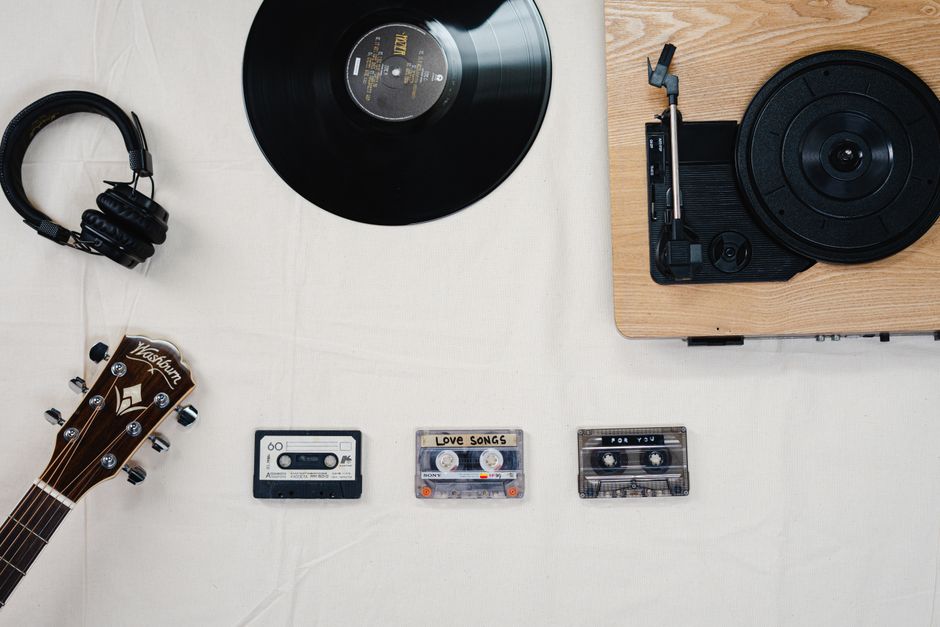
Music has never been more accessible, yet listeners are more intentional than ever about how they listen. In 2026, the “best” format isn’t just an audio question—it’s a lifestyle decision shaped by space, budget, attention span, and how you want music to show up in your day. Three formats have quietly become identity markers: vinyl for ceremony, hi‑res streaming for frictionless depth, and cassette for tactile nostalgia with a modern twist.
This article compares vinyl, hi‑res streaming, and cassette through practical lenses—sound, cost, daily habits, maintenance, and social value—so you can choose a format (or mix) that actually fits your life.
Quick snapshot: what each format is best at
- Vinyl: deliberate, room-filling sessions; collecting as a hobby; “album time” as a ritual.
- Hi‑res streaming: convenience without surrendering detail; discovery at scale; ideal for commuting and headphones.
- Cassette: affordable physical media; mixtape culture; lo‑fi character; surprisingly portable and giftable.
Approach #1: Vinyl as a lifestyle ritual (and a home design choice)
What you gain
Vinyl’s biggest advantage is not the spec sheet—it’s the behavior it encourages. Pulling a record, cleaning it, dropping the needle: these steps create a micro-ceremony that makes you listen longer and skip less. If you want music to be a nightly anchor (rather than background noise), vinyl is still the strongest “ritual format.”
- Intentional listening: Side A/Side B structure naturally breaks an evening into chapters.
- Physical presence: Jackets, liner notes, and artwork become part of your living space.
- Community & collecting: Local shops, record fairs, and collector culture turn listening into a social hobby.
Real-world example: the “30-minute reset” habit
A practical way many listeners use vinyl: one side of a record as a daily decompression timer—roughly 18–25 minutes depending on the album. If you work from home, this becomes a clean transition ritual: end the workday, play one side, and let that be your boundary. It’s a small habit with outsized impact on stress and attention.
Costs and hidden expenses
- Hardware: A balanced starter setup often includes a turntable, speakers (or amp + passive speakers), and basic accessories (brush, stylus cleaner). The “hidden” cost is that very cheap turntables can wear records faster.
- Media: New pressings are commonly premium-priced, while used bins can be a value hunt—if you’re willing to inspect condition.
- Care: Inner sleeves, occasional stylus replacement, and cleaning supplies matter if you want consistent playback.
Who vinyl is best for
- People who want music to be an event, not an app.
- Apartment dwellers with a dedicated listening corner (and tolerance for a bit of gear).
- Collectors who enjoy liner notes, pressings, and edition differences.
Approach #2: Hi‑res streaming as the “high-performance daily driver”
What you gain
Hi‑res streaming is the most adaptable option: it scales from phone speakers to serious headphones. The modern streaming stack—lossless/hi‑res catalogs, good DACs, and excellent headphones—means you can get clarity, soundstage, and micro-detail without building a listening room.
- Discovery at scale: Algorithmic discovery plus editorial playlists can widen your taste quickly.
- Consistency: No pressing variability, no surface noise, no physical wear.
- Portability: Your library travels; you can switch from home speakers to earbuds instantly.
Actionable tip: upgrade sound without falling into “gear spiral”
If you want a meaningful jump in quality, prioritize in this order:
- Headphones/earbuds first: They shape the sound more than almost anything else.
- Then a DAC (if needed): A small USB-C DAC can reduce noise and improve dynamics on many phones/laptops.
- Then settings: Enable highest-quality streaming, normalize volume only if you prefer it, and check whether your app is downsampling.
Data point: the catalog advantage
Streaming’s practical power is breadth. To research discographies, credits, and related styles before you dive in, a structured database is invaluable—AllMusic’s genre and discography listings are a go-to reference for exploring artist timelines and album contexts. Using a reference like this alongside streaming makes your discovery more intentional than relying on recommendations alone.
Hidden tradeoffs
- Decision fatigue: Unlimited choice can reduce satisfaction. You may skip more and finish fewer albums.
- Licensing churn: Albums can disappear or change versions over time.
- Attention fragmentation: Notifications and multitasking can turn music into background content.
Who hi‑res streaming is best for
- People who listen in multiple locations: commuting, gym, office, home.
- Curious listeners building taste quickly across eras and genres.
- Anyone who wants audiophile-adjacent quality without physical storage.
Approach #3: Cassette as a creative, portable “artifact format”
What you gain
Cassette is no longer just nostalgia—it’s a format that favors curation and gifting. It’s also relatively approachable: tapes can be cheaper than new vinyl, and the culture around limited runs, DIY releases, and mixtapes is thriving in indie scenes.
- Mixtape energy: Sequencing matters. You’re forced to commit to an order and live with it.
- Lo‑fi character: The sound can be warm, compressed, and imperfect—in a way many people find relaxing.
- Portability: Walkman-style listening is a deliberate alternative to doomscrolling.
Real-world example: “intentional commuting”
Some listeners use cassettes to reclaim commutes. A 45-minute tape side becomes a contained listening session that discourages constant track skipping and makes you more present. It also turns the commute into a predictable emotional arc—especially if you record purpose-built “morning” and “evening” tapes.
Costs and maintenance reality
- Hardware variability: Vintage players range from great to unreliable. Belts, heads, and pinch rollers may need servicing.
- Media condition: Old tapes can suffer from dropouts or warble; store them away from heat and magnets.
- Recording setup: If you want to make mixtapes, you’ll need a deck with line-in and a simple workflow from your phone/laptop.
Who cassette is best for
- Listeners who love curation, sequencing, and “a set for a mood.”
- People who want physical media without the space demands of vinyl.
- Indie fans who enjoy limited-run releases and merch-table culture.
Head-to-head comparison: the factors that actually affect your day
1) Time & attention
- Vinyl: Highest intentionality; best for slowing down; worst for multitasking.
- Streaming: Most flexible; can become background noise unless you set boundaries.
- Cassette: Strong “contained session” feel; less friction than vinyl once loaded.
2) Space & aesthetics
- Vinyl: Requires storage and a stable surface; doubles as decor and conversation piece.
- Streaming: Minimal physical footprint; your “collection” is invisible.
- Cassette: Compact storage; players can be portable or desktop-sized.
3) Budget clarity
- Vinyl: Higher upfront and ongoing costs; accessories add up.
- Streaming: Predictable monthly cost; optional upgrades (headphones/DAC) can be incremental.
- Cassette: Often cheaper per release; maintenance on vintage players can surprise you.
4) Sound experience (in plain language)
- Vinyl: Engaging, tactile, sometimes noisy; pressing quality varies.
- Streaming: Clean, consistent; can be extremely detailed with good headphones.
- Cassette: Characterful, softened transients; imperfections are part of the vibe.
How to choose: three practical “listener profiles”
The Home Ritualist
If your ideal evening includes cooking, a drink, and an album from start to finish, prioritize vinyl. Start with 5–10 records you’ll replay, not rare trophies. Build the habit first; expand the collection second.
The High-Mileage Listener
If you listen 2+ hours a day across locations, hi‑res streaming wins on consistency. Put your money into one excellent pair of headphones and a small DAC (if your device benefits). Then create “no-skip” playlists that mimic album arcs to reduce decision fatigue.
The Curator / Gifter
If you love making themed sets—“late-night city,” “Sunday cleaning,” “pre-show adrenaline”—cassette is uniquely satisfying. Make one tape for yourself and one for a friend. The format turns recommendation into a physical gesture.
Hybrid strategies (often the smartest option)
- Streaming + vinyl: Stream to discover; buy vinyl only for albums you return to monthly. This keeps collecting meaningful and reduces shelf clutter.
- Streaming + cassette: Stream for breadth; make occasional mixtapes for trips, workouts, or mood management.
- Vinyl + cassette: Vinyl at home; cassette for portable “offline” listening that feels separate from your phone.
Conclusion: choose the format that supports the life you want
Vinyl, hi‑res streaming, and cassette aren’t just audio delivery methods—they’re behavior frameworks. Vinyl rewards patience and presence. Hi‑res streaming supports momentum and exploration. Cassette encourages curation and tangible connection. The best choice is the one that makes you listen more deeply and more often, in a way that fits your space, your budget, and your daily rhythm.
If you’re unsure, start with a simple experiment: commit to two weeks of “one intentional session a day” using the format you already have. The format that keeps you coming back—and finishing albums—is your answer.