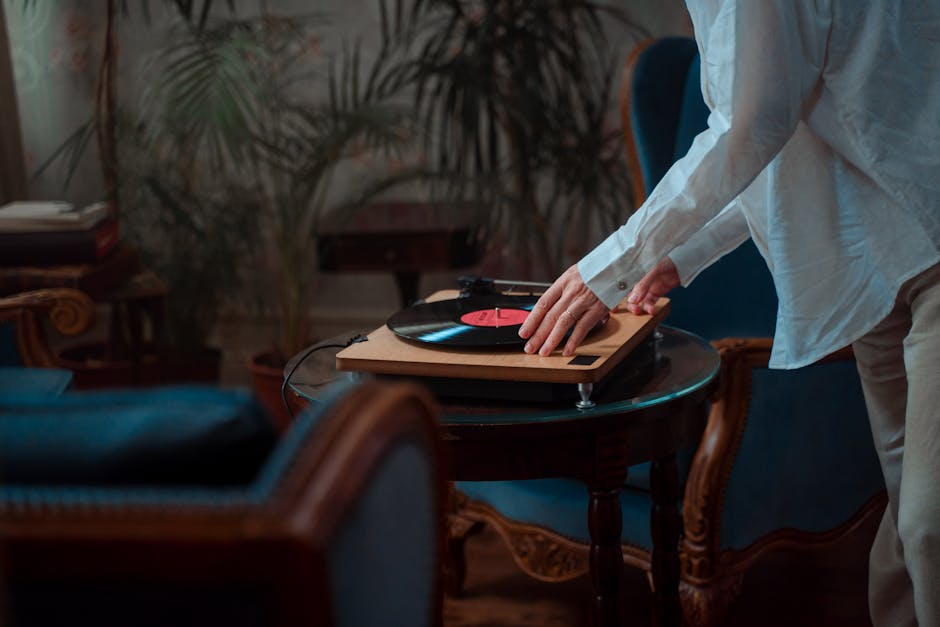

Why “music-first lifestyle” is trending (and why it’s harder than it sounds)
We all say music is “everything,” but daily life has a way of shrinking it into a background tab: a playlist while you answer emails, a half-listen on the commute, a random scroll of clips before bed. A music-first lifestyle flips that script—without requiring you to quit your job, move to Berlin, or buy $2,000 speakers.
The trick is that there isn’t one “right” way to do it. Some people thrive with strict rituals (vinyl night, no phones), others need low-friction habits (auto-playlists, tiny listening sessions), and a few prefer high-intensity experiences (shows, listening parties, travel). Below is a comparison of five modern approaches that are specific, realistic, and surprisingly effective—plus how to pick the one you’ll actually keep doing.
Approach #1: The “One-Album A Day” ritual vs. the “algorithm buffet”
What it is
One-album-a-day means you pick a full album and listen all the way through—ideally without multitasking—at least once per day (or 4–5 times per week if you’re human). The alternative is the algorithm buffet: letting Spotify/Apple/YouTube serve a constant stream of singles and recommendations.
Best for
- One-album-a-day: people who miss depth, liner-note energy, and being able to describe music beyond “vibes.”
- Algorithm buffet: people who crave novelty, don’t want homework, and like discovering fast.
Pros & cons
- One-album-a-day (Pros): stronger taste, better memory for songs, deeper connection to artists; you start noticing sequencing, production choices, lyrical themes.
- One-album-a-day (Cons): can feel rigid; if you pick the wrong record on a busy day, it’s easy to skip and “fail.”
- Algorithm buffet (Pros): constant discovery; perfect for commutes and mood management; you’ll find new micro-genres quickly.
- Algorithm buffet (Cons): less emotional attachment; more skipping; “backgroundification” happens fast.
Actionable tips to make it stick
- Use a timer: if a full album is too much, start with “Side A only” (20–25 minutes). Consistency beats purity.
- Choose with intention: keep a short “next up” list of 10 albums so you don’t waste time deciding.
- Pair it with something: coffee + album, stretching + album, evening walk + album. The habit attaches faster.
Real-world example
A friend of mine did one album a day for a month—only on weekday mornings while getting ready. By week two, they were quoting lyrics in conversation and had stopped doom-scrolling before work. The key was not “more time,” it was “same time, different input.”
Approach #2: Home hi-fi upgrades vs. “good enough” portable audio
What it is
This is the lifestyle fork in the road: do you invest in a home listening setup (speakers, DAC, turntable, room tweaks), or do you keep it mobile with decent headphones and a phone?
Best for
- Home hi-fi: people who want music to be an event, not a utility.
- Portable audio: people who want music everywhere—gym, office, travel—and value convenience.
Pros & cons
- Home hi-fi (Pros): richer detail, less ear fatigue, more “hang time” with albums; it naturally encourages focused listening.
- Home hi-fi (Cons): cost creep is real; space and neighbors matter; setup can turn into a hobby that competes with music.
- Portable (Pros): affordable; flexible; noise-canceling can make mundane places feel cinematic.
- Portable (Cons): easy to keep music as background; small upgrades can be underwhelming if your habits don’t change.
Quick, budget-friendly upgrade paths (with realistic numbers)
- $50–$150: swap to better ear tips/pads, use a wired connection when possible, and turn off “sound check” features that reduce dynamics.
- $200–$400: buy one pair of genuinely comfortable, neutral-ish headphones you can wear for hours (comfort is a bigger “sound upgrade” than people admit).
- $300–$700: entry-level powered speakers + basic room placement (speakers off the desk, equal distance to your listening spot). Placement can matter more than brand.
Real-world example
Two people can spend the same $400 and get totally different results: one buys a DAC and fancy cables and still listens while scrolling; another buys simple powered speakers and makes “after-dinner listening” a nightly 25-minute ritual. The second person ends up feeling like music “came back.”
Approach #3: Micro-gigs and “third-space” venues vs. big concerts
What it is
Big concerts are obvious, but micro-gigs—bar residencies, listening lounges, DIY spaces, record-store sets—are the sneaky way to build a social life around music without the logistical circus.
Best for
- Micro-gigs/third spaces: people who want community, discovery, and lower commitment.
- Big concerts: people who want spectacle, bucket-list moments, and shared catharsis.
Pros & cons
- Micro-gigs (Pros): cheaper (often $10–$25); easier to go solo; you can talk to artists; you’ll actually remember the night.
- Micro-gigs (Cons): inconsistent sound; you may need to dig to find good ones; sometimes it’s more “scene” than music.
- Big concerts (Pros): peak emotional payoff; production value; great for group plans.
- Big concerts (Cons): expensive; time-consuming; hard to do frequently; can turn into a once-a-year thing.
Actionable tips
- Set a “one micro-gig per month” rule: it’s achievable and adds up to 12 new nights out a year.
- Use a two-yes filter: you go if (1) the venue is close OR (2) you’re curious about the artist. Not both.
- Go early for 20 minutes: if you’re unsure, show up for the opener and give yourself permission to leave. Low pressure = higher attendance.
Approach #4: Music journaling & rating systems vs. “vibe-only” listening
What it is
Some people love logging what they hear—notes, ratings, favorite tracks, moods. Others find that exhausting and prefer pure, untracked listening. Both can work, but they build different lifestyles.
Best for
- Journaling/ratings: people who want a stronger relationship with their taste, memory, and discovery patterns.
- Vibe-only: people who get turned off by “productivity-ifying” art.
Pros & cons
- Journaling (Pros): you remember more; you spot patterns (e.g., “I always love records with live drums and dry vocals”); it’s easier to recommend music to friends.
- Journaling (Cons): can shift focus from feeling to scoring; might discourage re-listens if you’re always chasing new entries.
- Vibe-only (Pros): relaxed; emotional-first; zero friction.
- Vibe-only (Cons): easy to forget great finds; discovery can become random and shallow.
A low-effort hybrid that works
- One sentence per album: not a review—just “When would I play this?” Example: “Late-night walk record; best track is #3.”
- Three tags: mood, setting, standout element (e.g., “focused / rainy / insane bass tone”).
Authority reference (useful, not forced)
If you want to sharpen your listening vocabulary without turning it into homework, browsing professional criticism can help—especially when you’re trying to identify why a record works. A resource like Pitchfork’s album reviews can give you language for production choices, structure, and context that you can steal for your own notes (or just read for fun).
Approach #5: The “music meal prep” system vs. spontaneous listening
What it is
This is the most lifestyle-coded option: you prep your week of music the way some people prep lunches. Instead of “What do I feel like right now?” you create a small, intentional menu.
Best for
- Music meal prep: busy people who want variety without decision fatigue.
- Spontaneous listening: people who want music to mirror their mood in real time.
Pros & cons
- Meal prep (Pros): fewer skips; more full-album listening; you build anticipation (“Friday is for dance records”).
- Meal prep (Cons): can feel overly planned; you might ignore a new release because it’s “not on the menu.”
- Spontaneous (Pros): feels alive; great for creativity; adapts to life.
- Spontaneous (Cons): more time choosing than listening; you can end up repeating the same comfort tracks.
A simple weekly template (steal this)
- 1 “deep listen” album (challenging, acclaimed, or outside your usual genre)
- 2 “utility” playlists (work focus, gym, commute)
- 1 “social” record (something you can play with friends or at dinner)
- 1 “wild card” slot (new release, random recommendation, or local artist)
How to choose the best approach for you (quick decision guide)
If you’re not sure where to start, pick based on your actual constraints:
- If you’re short on time: do Side-A listening + music meal prep.
- If you’re lonely or new to a city: do micro-gigs + one social record per week.
- If you feel “disconnected” from music: do one-album-a-day + a simple one-sentence journal.
- If you love discovery but forget everything: keep the algorithm buffet, but add three tags per album/EP you like.
- If you’re spending money but not feeling impact: change the ritual first, then upgrade gear second.
Conclusion: Make music a place you go, not just noise you live with
A music-first lifestyle isn’t about being a snob or owning a wall of records. It’s about building repeatable moments where music gets your full attention—whether that’s a 20-minute Side A on a Tuesday, a monthly micro-gig, or a weekly “menu” that keeps you from defaulting to the same five tracks.
Try one approach for two weeks. If it feels natural, keep it. If it feels like homework, swap it. The goal is simple: more real listening, more often—and a life that sounds like you meant it.