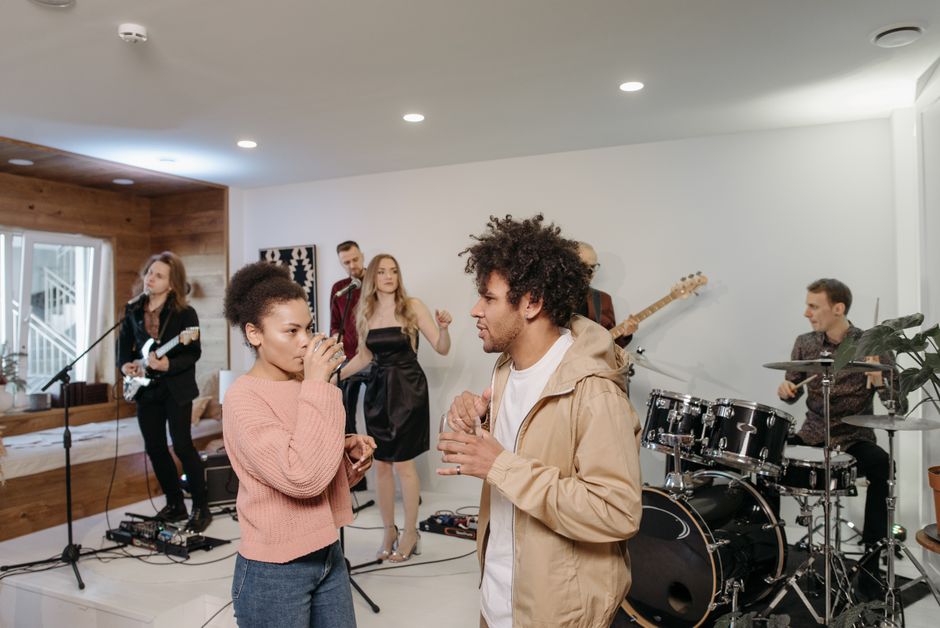

Turn a regular weeknight into a memorable music ritual
“Going out for live music” sounds great until you factor in ticket prices, travel time, late nights, and the next morning’s responsibilities. Here’s a creative alternative that’s been quietly trending among music lovers who want more music in their lives without burning out: the micro-gig.
A micro-gig is a short, intentional, at-home live music session—30 minutes of performing, listening, or collaborating—followed by a clean “wrap.” It’s the opposite of doom-scrolling with a playlist in the background. It’s focused, social (if you want it to be), and doable on a random Tuesday.
This step-by-step guide shows you how to design a micro-gig night that feels like a real event, supports your lifestyle, and keeps your relationship with music fresh—whether you play an instrument, sing, produce, or simply love listening.
Step 1: Pick your micro-gig format (choose one and keep it simple)
A micro-gig works because it’s clear and contained. Decide what “live music” means in your home. Choose one format for the first month to build momentum.
- Living-room set: One performer plays 3–6 songs.
- Listening salon: Everyone brings 1 song and shares why it matters (like a mini liner-notes club).
- Producer showcase: Play 2–4 works-in-progress, then get fast feedback (one positive note + one suggestion).
- Instrument swap: Two people teach each other a riff or rhythm for 10 minutes each.
- Theme night: “90s acoustic,” “neo-soul chords,” “film scores,” “one-hit wonders,” or “Brazilian grooves.”
Actionable tip: If you’re nervous, start with a listening salon. It still feels like an event, and it builds community around music without performance pressure.
Step 2: Lock the time box (30 minutes performance + 10 minutes buffer)
The biggest reason people abandon music habits is time sprawl—one session turns into three hours, sleep suffers, and the ritual dies. Keep your micro-gig night tight:
- 30 minutes: the gig (music only)
- 10 minutes: setup + teardown buffer
Put it on your calendar with a name like “Micro-Gig: Kitchen Set” so it feels real. If you want to expand later, do it in a new season (not week two).
Real-world example: If your household usually winds down at 10:30 p.m., schedule your gig for 9:45–10:25. You get the joy of live music without punishing the next day.
Step 3: Build your “stage” in 3 minutes (no gear rabbit holes)
You do not need a fancy setup. You need a repeatable setup. Aim for the smallest number of steps possible so you’ll actually do it.
Quick stage checklist
- One chair (or standing spot)
- One light source (lamp angled toward the performer)
- One “audience zone” (couch, floor cushions, or two chairs)
- One drink station (water/tea—keep it consistent)
Actionable tip: Put a strip of painter’s tape on the floor as your “stage mark.” It sounds silly, but it instantly reduces setup decisions.
Step 4: Set the “house rules” to protect the vibe
Micro-gigs feel special because they have boundaries. You’re designing a mini-culture in your home.
- No phones during the 30-minute set (unless you’re using one as a tuner, lyric prompt, or recorder).
- Clap after each song (yes, even if it’s just two people).
- One-minute feedback max (only if the performer asks).
- End on time (leave people wanting more).
Lifestyle win: These rules make the night feel restorative rather than chaotic—more like a meditation session with sound, less like another task.
Step 5: Choose a set list that’s “easy impressive” (the secret to consistency)
The goal isn’t virtuosity—it’s repetition. Pick music that sounds good at 70–80% effort so you can show up even when you’re tired.
Three set list templates
- 3-song set: opener you love + familiar middle + comfort closer
- 4-song set: two known songs + one new challenge + one “victory lap”
- 6-song mini-marathon: short songs only (2–3 minutes each)
Actionable tip: Limit brand-new material to 25% of the set. If you’re doing four songs, only one should be new. This prevents the gig from turning into a stressful practice session.
Step 6: Upgrade your sound with one smart choice (not five expensive ones)
If you want better sound, the best lifestyle-friendly move is choosing one upgrade that reduces friction.
- Acoustic performer: a clip-on tuner and a stable music stand (less stopping, more flow)
- Singer: a simple vocal mic + compact speaker so you don’t strain your voice
- Producer/DJ: consistent monitoring (good headphones) so mixes translate
If you’re curious about what’s worth it, use a reputable gear resource for practical comparisons and reviews—MusicRadar’s instrument and audio gear guides are useful for narrowing down options without getting overwhelmed.
Data point to keep you grounded: Many creators stick with low-cost improvements because the biggest quality jump usually comes from consistency and room setup, not buying the most expensive item. A controlled, repeatable setup beats “new gear energy” that disappears after two weeks.
Step 7: Make it social without turning it into a party
Micro-gigs shine when they’re intimate. You can invite people without creating a big hosting burden.
Two easy invite formats
- “2-person audience” rule: Invite one friend or one couple max.
- Rotating feature: Each week, one person is the “feature” (performer, curator, or DJ).
Actionable tip: If inviting guests stresses you out, start with a “household gig” for three weeks, then add one guest on week four. You’re building a ritual first, not an event business.
Step 8: Add one lifestyle element that makes it feel like a real night out
The magic is in the small signal that says: “This is special.” Keep it consistent so your brain starts associating the ritual with pleasure.
- Signature drink: sparkling water with citrus, a specific tea, or a low-alcohol spritz
- Dress cue: “Gig hat,” a jacket, or a color theme (low effort, high effect)
- Opening ritual: one-minute “soundcheck” chord or a short intro like an MC
Real-world example: If you love jazz clubs, dim the lights and do a single “house track” before the performance—same song every time. It becomes your micro-gig theme.
Step 9: Record it the right way (so it helps, not haunts you)
Recording can be motivating, but it can also add pressure. Keep it optional and low-stakes.
- Use a single camera angle (phone on a shelf is fine).
- Name the file immediately (e.g., “MicroGig_2026-07-29_3songset”).
- Watch/listen once only and write one improvement note.
Actionable tip: Make a “highlight reel” folder. Only save clips you genuinely enjoy. The point is to build proof that you show up—not a library of self-critique.
Step 10: Create a 4-week micro-gig plan you can repeat all year
Here’s a simple structure that keeps things fresh while staying easy.
- Week 1: Comfort set (all familiar material)
- Week 2: Theme set (pick one genre or decade)
- Week 3: Collaboration (duet, instrument swap, or producer feedback)
- Week 4: Showcase night (invite one guest or share one recording)
Repeat the cycle with new themes. This approach prevents boredom while keeping the mental load light.
Step 11: Troubleshoot the three most common micro-gig problems
Problem A: “I don’t feel good enough to perform.”
Make the micro-gig a listening salon for a month. Or do a “covers only” rule. Performing isn’t required—being intentional with music is.
Problem B: “I can’t get people to show up.”
Stop depending on guests. Build a ritual for yourself first. If you want an audience, set a recurring invite (same day/time monthly) so it’s predictable.
Problem C: “It turns into a long hangout and I lose sleep.”
End with a closing cue: the same final song every time, followed by lights up and a quick reset. Consistency makes it feel complete.
Conclusion: A micro-gig makes music a lifestyle, not a someday goal
A 30-minute micro-gig night is small enough to fit real life and meaningful enough to change your week. You’ll practice more, listen deeper, and create a home culture where music is something you do, not just something playing in the background.
Start with one format, keep the time box sacred, and focus on repeatability over perfection. In a month, you won’t just have “played more music”—you’ll have built a lifestyle ritual that makes your home feel alive.