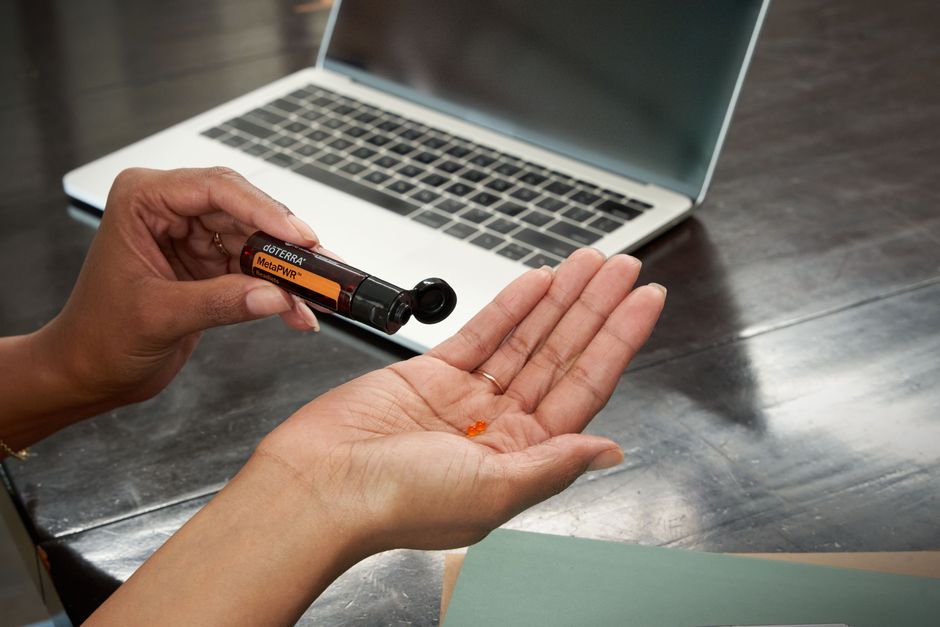

What Is a “Sensory Snack” (and Why It Works)?
A “sensory snack” is a tiny, intentional dose of sensory input—sound, smell, touch, movement, temperature, or taste—designed to help your nervous system shift gears. Think of it as a 30–180 second reset you can use between meetings, after doomscrolling, or when cravings hit even though you’re not truly hungry.
This idea is trending because it’s practical: instead of forcing willpower, you give your brain a quick way to regulate arousal and attention. It’s also flexible: you can build a kit that fits your lifestyle, budget, and sensitivity (some people love strong mint; others need gentle, quiet cues).
Why does it help? Stress can nudge your body toward “fight-or-flight,” increasing tension, impulsive snacking, and fragmented focus. Quick regulation strategies can reduce the intensity of that stress response and improve your ability to make the next choice. For a deeper overview of how stress affects the body and ways to manage it, you can reference Healthline’s stress management resources.
Step-by-Step: Build Your Sensory Snack Toolkit
1) Identify your top three “red flag moments”
Start by pinpointing when you most often spiral into stress-snacking, phone scrolling, or irritability. For the next 3 days, jot down a quick note when you notice any of these:
- Screen fatigue: eyes burning, mind foggy, rereading the same line.
- Cravings: sudden urge for sweet/salty even after eating.
- Stress spikes: tight chest, clenched jaw, restless legs.
Real-world example: “At 3:30 p.m. I always want something crunchy and I start refreshing email.” That’s a perfect trigger window for a sensory snack.
2) Choose a goal for each moment (downshift, upshift, or steady)
Not every reset is about calming down—sometimes you need to become more alert.
- Downshift: reduce tension, racing thoughts, overstimulation.
- Upshift: fight drowsiness, improve motivation, regain focus.
- Steady: stay balanced and avoid drifting into autopilot.
Tip: Cravings paired with agitation often need a downshift; afternoon slump often needs an upshift.
3) Pick 6 sensory “levers” to test (one for each sense + movement)
Build options so you’re not dependent on a single trick. Use this starter menu:
- Smell: lavender, peppermint, citrus peel.
- Taste: cinnamon gum, unsweetened mint, sparkling water with lime.
- Touch: textured worry stone, smooth metal keychain, hand lotion.
- Sound: one calming song, brown noise, 60-second nature clip.
- Vision: look at a distant point, step outside for daylight, 20-second “soft gaze.”
- Movement/Body: wall push-ups, shoulder rolls, brisk stair walk.
Data point you can use: Many people underestimate how much light impacts alertness. A 2–5 minute daylight break (even on cloudy days) can noticeably lift energy and focus for some individuals.
4) Set a “2-minute rule” so it stays snack-sized
If it takes longer than two minutes, it’s no longer a snack—it becomes a project. Your goal is consistency, not perfection. Create a simple timing structure:
- 20 seconds: interrupt the pattern (stand up, look away, breathe out long).
- 60 seconds: apply the sensory input (mint, cold water, quick walk).
- 40 seconds: notice the change (rate stress/urge, then return).
Practical tip: Use a silent timer or a smartwatch vibration so you don’t swap stress for clock-watching.
5) Create three mini-protocols (Craving, Screen Fog, Social Overload)
Instead of improvising every time, write down three “if-then” routines:
- If craving hits: drink cold water + chew mint gum for 60 seconds + 5 slow exhales.
- If screen fog hits: stand, look 20 feet away + shoulder rolls + 10 squats.
- If social overload hits: step to a quiet spot + textured object in hand + breathe out longer than you breathe in.
Real-world example: If you work in a busy office, “social overload” might be the real driver of your snack runs. A 90-second quiet reset can prevent an impulsive vending machine trip.
6) Assemble a pocket kit and a desk kit (so you don’t rely on memory)
Make it ridiculously easy to use.
- Pocket kit (on-the-go): gum/mints, mini lotion, small textured item, earplugs.
- Desk kit (home/office): insulated water bottle (for cold water), resistance band, sticky note with your 3 protocols, one playlist shortcut.
Actionable tip: Put the kit where your habits already happen—next to your mouse, by the snack drawer, or on top of your phone charger.
7) Add one “temperature tool” (the underrated game changer)
Temperature shifts can quickly change how you feel. Choose one:
- Cold: rinse hands with cool water, hold a cold can, splash face lightly.
- Warm: hold a warm mug, heat pack on shoulders, warm shower as an evening downshift.
Why it’s practical: It doesn’t require motivation—just access to water or a mug.
8) Use the “urge rating” method to prove it’s working
Before and after a sensory snack, rate your urge/stress on a 0–10 scale.
- 0–3: stable
- 4–6: wobbly (perfect time for a sensory snack)
- 7–10: high intensity (use a stronger protocol + consider food, rest, or support)
Real-world example: If you go from “8” to “5,” you didn’t “fail” because the urge didn’t vanish—you created enough space to choose a better next step.
9) Pair your sensory snack with one micro-need (hunger, hydration, or rest)
Sometimes the nervous system is screaming because a basic need is unmet. After your 2-minute reset, ask:
- Hungry? Choose a protein+fiber snack (e.g., Greek yogurt + berries, apple + peanut butter).
- Dehydrated? Drink 8–16 oz water.
- Sleepy? Do a 3-minute walk or get daylight; if possible, take a 10–20 minute nap later.
Actionable tip: If cravings show up within 1–2 hours of a meal, try adding 20–30g protein at that meal for a week and see if the “snack alarm” quiets down.
10) Run a 7-day experiment and refine your kit
Make this scientific and personal. For one week:
- Use a sensory snack once per day at your most common red flag moment.
- Track your before/after urge rating.
- Note what helped most: smell, movement, temperature, or sound.
At the end of the week, keep the top two performers and swap the rest. Your kit should evolve with seasons, workload, and stress levels.
Example outcome: You might discover that peppermint gum does nothing, but cold water + 60 seconds of brisk stair walking consistently drops your stress from 6 to 3. That’s your signature reset.
Common Mistakes (and Easy Fixes)
- Trying only “calming” tools: If you’re sluggish, calming can backfire. Add an upshift option like bright light or movement.
- Using the kit too late: Sensory snacks work best at 4–6/10 intensity. Use them earlier.
- Expecting perfection: The win is a small reduction in intensity and a better next decision—not becoming a robot.
- Choosing tools you hate: If you dislike strong scents, don’t force essential oils. Use touch or movement instead.
Conclusion: A Small Reset That Protects Your Bigger Goals
A Sensory Snack Toolkit is a friendly way to care for your nervous system in real time—without needing a full meditation session or a major lifestyle overhaul. When stress, cravings, or screen fatigue show up, you’ll have a simple set of tools ready: a two-minute protocol, a few sensory options, and a quick check-in to meet your real needs.
If you try it for seven days and refine what works, you’re not just building a “calming routine”—you’re building resilience you can access anywhere, even on your busiest days.