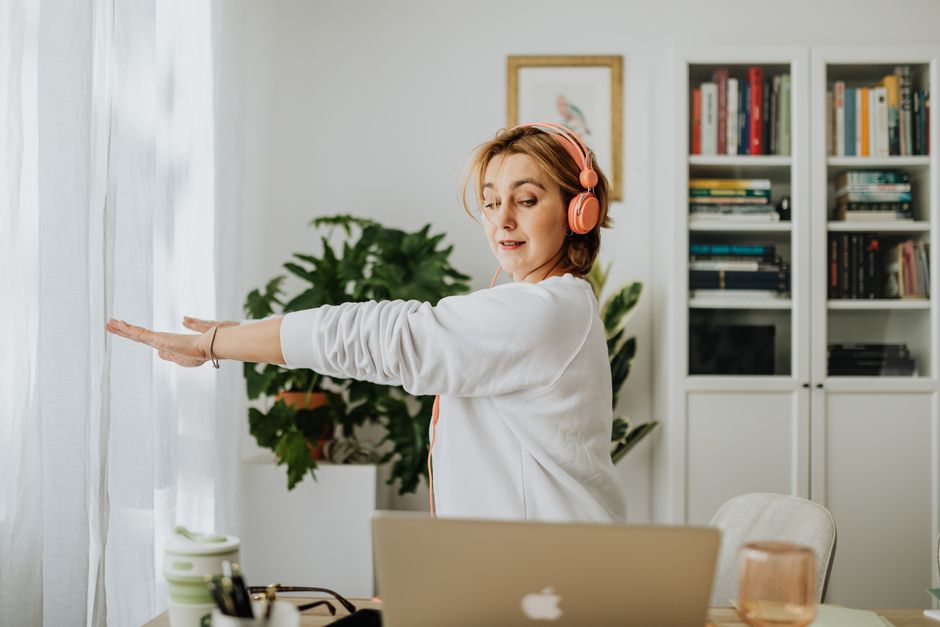

Why “microbreaks” are trending in Health & Wellness (and why they work)
Most wellness advice assumes you have time: a 45-minute workout, a long meditation session, a carefully prepped meal. Real life often looks different—packed calendars, long meetings, and screen-heavy days. That’s why microbreaks (short, intentional pauses lasting 10–90 seconds) are having a moment. They fit into busy schedules while still delivering measurable benefits: less stiffness, better concentration, and a calmer nervous system.
Think of microbreaks like “movement and reset snacks.” Individually, they’re tiny. Collectively, they can meaningfully change how your body and brain feel by the end of the day—especially if you work at a desk, drive for long periods, or spend hours standing.
This roundup collects practical, science-aligned microbreak ideas you can implement immediately—no gear, no special clothing, no perfection required.
How to use this roundup
- Pick 3–5 microbreaks that match your day (desk work, caregiving, retail, remote work, commuting).
- Attach each microbreak to a trigger: hitting “send,” starting a meeting, refilling water, using the restroom, or every time you check your phone.
- Aim for 6–10 total minutes/day of microbreak time. That’s enough to notice changes without feeling like a new chore.
Roundup: 12 microbreaks that actually move the needle
1) The 60-second “eye reset” for screen fatigue
Best for: headaches, dry eyes, end-of-day blurry vision.
Do this: Look at something at least 6 meters (20 feet) away for 20 seconds. Repeat 2–3 times. If you can, blink slowly and fully during the 20 seconds.
Make it real: Put a small sticky note near your webcam that says “20–20.” Every time you join a call, do one cycle before speaking.
2) “Physiological sigh” to downshift stress fast
Best for: pre-meeting nerves, spiraling thoughts, tension.
Do this: Take a deep inhale through your nose, then a second short “top-up” inhale, then exhale slowly through your mouth until empty. Repeat 2–3 times.
Why it’s useful: It’s quick, discreet, and can reduce the feeling of being “revved up” in under a minute.
3) 30-second “jaw + tongue” release for hidden tension
Best for: clenching, neck tightness, stress headaches.
Do this: Place the tip of your tongue gently behind your top front teeth (not pressing). Let your jaw hang slightly open. Exhale slowly. Repeat 3 breaths.
Real-world example: If you notice clenching while reading email, do this before replying—your tone may improve, too.
4) Shoulder blade “W” squeeze to counter the desk slump
Best for: rounded shoulders, upper back stiffness.
Do this: Sit tall. Bring elbows to your sides at 90 degrees, palms up. Gently pull shoulder blades back and down as if making a “W” with your arms. Hold 5 seconds, repeat 5 times.
Tip: Keep ribs down—avoid arching your lower back to “cheat” the posture.
5) 45-second ankle pump set for circulation (especially during long sits)
Best for: heavy legs, long flights, extended meetings.
Do this: Feet flat on the floor. Lift toes while keeping heels down for 10 reps, then lift heels while keeping toes down for 10 reps. Finish with 10 slow circles each direction per ankle.
Data point: Even small lower-leg movements can support venous return and reduce the “stuck” feeling after sitting.
6) The “doorframe pec opener” for chest tightness
Best for: tight chest, forward head posture, shallow breathing.
Do this: Forearm on a doorframe, elbow at shoulder height. Step one foot through until you feel a gentle stretch across the chest. Hold 20 seconds each side.
Make it sustainable: Pair it with bathroom breaks or whenever you walk through a doorway.
7) 1-minute “walk-and-drink” hydration reset
Best for: afternoon energy dips, mindless snacking, low movement days.
Do this: Stand up, walk to get water, and drink a full glass while standing. Then take 10 slow steps before sitting back down.
Why it works: It combines three levers—posture change, a few steps, and hydration—without needing “motivation.”
8) 60-second “nasal breathing box” for steady focus
Best for: task switching, mental scatter, busy environments.
Do this: Inhale through your nose for 4 seconds, hold 4, exhale 4, hold 4. Repeat for 1 minute.
Tip: If holding feels uncomfortable, shorten holds to 2–3 seconds. Comfort beats intensity.
9) Hip flexor “desk lunge” to undo chair time
Best for: tight hips, lower back stiffness after sitting.
Do this: Stand and step one foot back into a small lunge. Tuck pelvis slightly (imagine zipping up tight jeans). Hold 20 seconds each side.
Common mistake: Avoid arching your lower back—keep it stacked and gentle.
10) The “20-20-20 + posture stack” combo (a ready-made routine)
Best for: people who want one simple microbreak to remember.
Do this:
- 20 seconds looking far away
- 20 seconds shoulder blade “W” squeezes
- 20 seconds standing tall and breathing slowly
Result: Vision reset + posture reset + nervous system reset in exactly one minute.
11) “Meeting-to-meeting decompression” (the 3-question reset)
Best for: back-to-back calls, remote work fatigue, emotional carryover.
Do this (in 60 seconds):
- Ask: What’s tense? (Name one area: jaw, shoulders, belly.)
- Ask: What’s one thing I can soften? (Drop shoulders, unclench tongue.)
- Ask: What’s the next single step? (One clear action for the next block.)
Real-world example: If a call was stressful, this prevents carrying that stress into the next conversation—or into your lunch break.
12) 60-second “environment scan” to reduce mental load
Best for: feeling overwhelmed, decision fatigue, messy spaces.
Do this: Pick one tiny “reset” action: clear one square foot of desk, throw away one item, or close 3 browser tabs. Stop after 60 seconds—even if you could do more.
Why it’s powerful: You’re training your brain to experience completion, not just constant open loops.
Microbreaks and the bigger wellness picture (evidence and credibility)
Microbreaks are not a replacement for sleep, nutrition, medical care, or regular physical activity. They are a realistic bridge between “ideal wellness” and modern schedules. For broader guidance on physical activity recommendations and public health priorities, the World Health Organization provides extensive resources at World Health Organization (WHO).
One helpful benchmark: Many modern activity guidelines (from multiple health authorities) emphasize moving more and sitting less across the day—not just relying on one workout to “cancel out” long sedentary stretches. Microbreaks align perfectly with that pattern.
How to build a microbreak system you’ll actually keep
Use “if-then” planning
- If I hit send on an email, then I do 3 physiological sighs.
- If I open a new meeting link, then I do 10 ankle pumps.
- If I refill water, then I do a doorframe chest stretch.
Make it visible, not willpower-based
- Set a subtle timer (25–30 minutes) labeled “1-minute reset.”
- Keep a water bottle within reach to create movement triggers.
- Put a small note on your monitor: “Eyes, shoulders, breathe.”
Track the outcome, not the perfection
Instead of counting how many microbreaks you did, track what you care about:
- End-of-day neck stiffness (0–10)
- Afternoon energy (0–10)
- Headache frequency per week
- Steps per day or standing minutes
Even a modest improvement—say, neck stiffness dropping from a 7 to a 5—can be a meaningful quality-of-life win.
Conclusion: Small breaks, big leverage
Microbreaks are not flashy, but they’re effective because they’re repeatable. A single 60-second reset may feel insignificant; five to ten of them, practiced daily, can change how your body holds tension, how your eyes handle screens, and how your brain transitions between tasks.
Start with two microbreaks you like, anchor them to triggers you already have, and keep the bar intentionally low. Consistency—not intensity—is what turns microbreaks into “microbreak medicine.”