
Why “hot nights” are the wellness trend you can’t ignore
Heat waves aren’t just a daytime problem anymore. Across many regions, nighttime temperatures are staying elevated—often called “hot nights.” That matters because your body relies on cooler evenings to recover, sleep deeply, and regulate temperature. When your bedroom never really cools down, you may feel tired, irritable, dehydrated, and less able to handle exercise or stress the next day.
This roundup collects practical, real-world strategies—from hydration to sleep setup to medication considerations—so you can “heat-proof” your routine without turning your life upside down.
Roundup: 11 practical ways to stay healthy during heat waves (especially at night)
1) Use “pre-hydration,” not just reactive drinking
A common mistake is waiting until you feel thirsty. Thirst can lag behind needs, especially in heat. Try “pre-hydration”: drink steadily throughout the day so you begin the hottest hours already well-hydrated.
- Actionable target: Aim for pale-yellow urine by late afternoon (not clear all day, which can signal overhydration).
- Simple routine: 1 glass after waking, 1 with each meal, 1 mid-afternoon, plus extra around activity.
- Real-world example: If you commute on foot in summer, drink before leaving and again on arrival—don’t wait for the “I’m parched” moment.
2) Pair water with electrolytes when sweating is significant
If you’re sweating heavily (exercise, outdoor work, or a non-air-conditioned home), water alone may not replace sodium and other electrolytes. That can contribute to headaches, fatigue, or cramps.
- Use cases: Long walks, yard work, sports practices, or any day you’re visibly sweating for hours.
- Budget option: Oral rehydration solutions or electrolyte tablets can be more precise than sugary sports drinks.
- Tip: If you have high blood pressure, kidney disease, or are on salt-restricting plans, consult a clinician about electrolyte choices.
3) Learn the early warning signs of heat stress (and act fast)
Heat illness is preventable, but it escalates if ignored. Early signs can be subtle—especially at night when you’re trying to sleep through discomfort.
- Common early signs: dizziness, nausea, headache, muscle cramps, unusual fatigue, rapid heartbeat, or heavy sweating followed by chills.
- What to do: Move to a cooler place, sip fluids, loosen clothing, cool the skin (cool shower or wet cloths), and rest.
- When to seek urgent help: confusion, fainting, very hot skin, or inability to keep fluids down.
4) “Cool your core” with a 10-minute targeted cooling routine
Instead of relying on whole-room cooling, use short, targeted tactics that help your body shed heat.
- Before bed: A lukewarm (not ice-cold) shower can promote heat loss after you step out.
- Quick hacks: Cool compress on neck, wrists, and behind knees; a damp T-shirt; or a chilled water bottle near the feet.
- Why lukewarm works: Extremely cold exposure can cause vasoconstriction (narrowing blood vessels), sometimes slowing heat release.
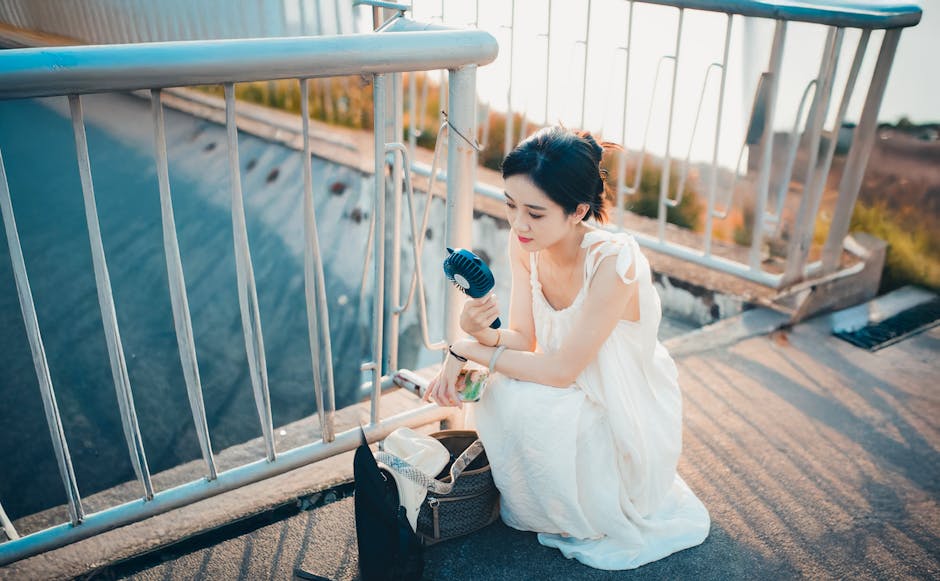
5) Create a “wind tunnel” with fans—placement matters
A fan can feel like a lifeline, but the setup makes a huge difference.
- Cross-ventilation: Place one fan facing outward in one window to push warm air out, and another drawing cooler air in from a shaded side.
- Single-fan option: Put it near a window in the evening to exhaust hot indoor air; later, angle it toward your bed.
- Bonus: A bowl of cool water in front of the fan can increase perceived cooling for some people (results vary by humidity).
6) Treat your bed like “sleep gear,” not furniture
In hot weather, bedding choices can make or break sleep. The goal is to reduce insulation and improve moisture-wicking.
- Choose breathable fabrics: cotton percale, linen, or bamboo-derived viscose (if you tolerate it).
- Skip heavy layers: Use a light sheet only; store the comforter until temperatures drop.
- Real-world example: If you wake up sweaty at 3 a.m., keep a spare dry T-shirt and pillowcase nearby for a quick swap—often better than suffering through it.
7) Eat for heat: shift timing and composition of dinner
Digestion generates heat (diet-induced thermogenesis). A heavy, late meal can raise body temperature and disrupt sleep on warm nights.
- Timing tip: Aim to finish dinner 2–3 hours before bed during heat waves.
- Composition tip: Lean protein + high-water produce (cucumbers, tomatoes, watermelon) + lighter carbs can feel better than large, high-fat meals.
- Hydration support: Soups can be hydrating, but in heat many people do better with chilled, salty options (like gazpacho) plus water.
8) Adjust workouts: intensity, timing, and expectations
Heat changes your performance. Even well-trained athletes experience elevated heart rate and perceived effort in higher temperatures, and dehydration increases strain.
- Best windows: early morning or later evening (but avoid intense sessions right before bed if heat already disrupts sleep).
- Modify intensity: Use effort-based training (RPE) rather than pace—your “normal pace” may be unsafe in extreme heat.
- Example: Swap a 45-minute run for a 25-minute run + indoor mobility work on heat-alert days.
9) Consider medication and risk factors—heat can change the equation
Some medications and health conditions can affect how the body handles heat (for example, by impacting sweating, fluid balance, or blood pressure). This includes some diuretics, antihistamines, certain psychiatric medications, and more.
- Action: If you take prescription meds, ask your pharmacist what heat precautions apply to you.
- High-risk groups: older adults, infants, pregnant people, and anyone with cardiovascular or kidney issues.
- Plan ahead: Have a “cooling plan” (where you’ll go, what you’ll drink, who will check on you) before the hottest day hits.
10) Use a “cool-first aid kit” for your home and car
Think of this like a small preparedness upgrade. Heat waves can bring power strain, outages, or just uncomfortable indoor temps.
- Home kit: electrolyte packets, oral rehydration solution, cooling towels, a spray bottle, instant cold packs, a thermometer, and a battery-powered fan.
- Car kit: water, sunshade, and a small cooler for longer trips.
- Behavior tip: Never leave children or pets in a parked car—even a “quick” stop can become dangerous fast.
11) Follow reliable public health guidance (and know your local cooling resources)
Heat safety advice changes based on humidity, overnight lows, and local infrastructure. Public agencies often publish heat advisories, cooling center locations, and practical guidance for recognizing heat-related illness.
For a science-based hub on health topics and research-backed guidance, you can explore resources from the National Institutes of Health (NIH), especially if you want to understand how heat affects different populations and conditions.
- Local tip: Save your city or county “cooling centers” page on your phone before summer starts.
- Community tip: Heat is isolating—check on neighbors, especially those living alone or without A/C.
Quick “hot night” checklist (copy/paste)
- Drink steadily through the afternoon; add electrolytes if you’re sweating a lot.
- Eat lighter and earlier; avoid heavy late dinners.
- Set up cross-ventilation with fans; block daytime sun with curtains/blinds.
- Take a lukewarm shower 30–60 minutes before bed; keep a cool cloth nearby.
- Use breathable bedding; keep a spare dry shirt and pillowcase ready.
- Know heat stress warning signs and have a plan if symptoms escalate.
Conclusion: make heat resilience part of your wellness routine
Heat waves and hot nights can quietly drain energy, reduce sleep quality, and raise health risks—especially for people with certain medical conditions or medications. The upside is that small, consistent changes (smart hydration, targeted cooling, better bedtime routines, and safer workout timing) can dramatically improve how you feel. Treat heat resilience like any other wellness habit: prepare early, stay consistent, and adjust based on how your body responds.